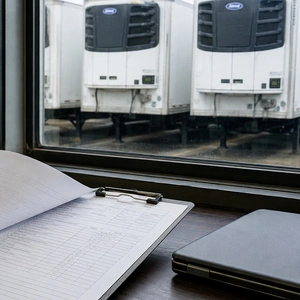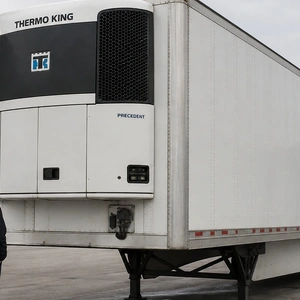


Unexpected reefer failures during peak delivery hours disrupt dispatch plans, delay cargo, and compromise temperature-sensitive loads. Fleet managers and dispatchers are left scrambling for alternatives while clients demand resolution and documentation. These incidents are not just logistical setbacks; they carry regulatory risk and customer trust implications.
Structured preventative maintenance (PM) planning eliminates these pain points. With a defined PM plan for refrigerated fleet assets, managers maintain full visibility over unit condition, upcoming service intervals, and potential risks. Dispatchers no longer work reactively; they operate within a coordinated maintenance framework that aligns with routing and compliance schedules.
Aligning Reefer PM Plans With Dispatch Operations
A successful preventative reefer maintenance strategy for fleet managers and dispatchers is one that integrates with real-time fleet operations. This includes matching PM schedules to known idle windows, yard availability, and trailer access. By embedding maintenance into dispatch systems, delays are avoided and reefer uptime becomes predictable rather than variable.
Data-Driven Refrigerated Truck Uptime Strategy
Modern reefer maintenance coordination relies on digital platforms that track run hours, fault codes, and predictive diagnostics. These tools empower dispatchers to intervene before failures occur and optimize the repair cycle. A strong PM plan includes hour-based servicing, oil interval tracking, and temperature variance reporting across units.
Key Benefits of Dispatcher-Centric PM Coordination
- Improved load planning with accurate reefer availability forecasting
- Fewer unplanned breakdowns impacting last-mile delivery
- Compliance readiness for all food and pharma hauls
- Consolidated documentation for all unit inspections and service logs
Reducing Administrative Burden Through Maintenance Integration
By integrating PM planning into fleet management systems, dispatchers avoid manual service tracking. Automated reminders, log capture, and audit reports ensure nothing is missed. Fleet managers benefit from centralized records that support warranty claims, DOT checks, and service history reviews. This integration reduces internal overhead while increasing compliance performance.
Planning Reefer PM Cycles Around Delivery Cadence
Fleet managers must ensure PM activities do not interfere with critical delivery cycles. The most effective strategies align reefer service intervals with off-cycle periods, post-load return gaps, or night yard time. This approach avoids asset withdrawal during peak hours and secures refrigeration continuity for outbound schedules.
Setting PM Priorities Across a Mixed Fleet
Not all refrigerated units require the same intensity of maintenance. PM plans should account for age, usage, and performance history. Older units may warrant shorter service intervals or prioritized inspections. Dispatchers must have access to a clear unit hierarchy, so they can factor service urgency into route assignments.
Results of a Coordinated Reefer PM Strategy
Fleet operators that adopt coordinated preventative maintenance gain measurable results: higher reefer availability, reduced emergency repair costs, faster load turnarounds, and stronger DOT audit outcomes. For dispatchers, the result is a predictable fleet with fewer exceptions to manage and better service continuity for end customers.
Next Steps for Fleet PM Optimization
Creating a tailored PM plan for refrigerated fleet assets begins with a current-state assessment. Identify service gaps, reefer utilization patterns, and high-risk unit profiles. Implement scheduling systems that alert dispatchers to upcoming tasks and automate recordkeeping. Establish KPIs tied to unit uptime, missed PM windows, and dispatch disruption rates. Track results and recalibrate regularly.
A preventative reefer maintenance strategy that empowers both managers and dispatchers is not a luxury; it is an operational necessity. When every trailer counts and every hour matters, predictability wins. Let your fleet operate on schedule—not in response mode.