Transport Refrigeration Chicagoland

Mobile Preventive Reefer Maintenance for Fleets

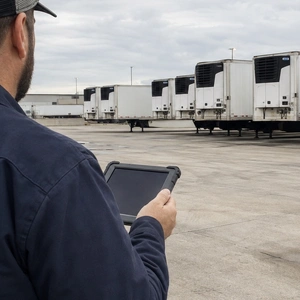
Mobile PM can reduce asset movement when the yard supports safe access and the work can be completed and verified without shop-only equipment.

Carrier & Thermo KingReefer · TRU · APU service
EPA 608 Type II CertifiedRecovery & recharge
Licensed & InsuredCOI & additional insured
24/7 Illinois-Wide RoadsideEvery major freight corridor
Fleet Yard PM Visit Planning

Fleet Yard PM Visit Planning

Trailer lists, access windows, unit locations, power availability, and dispatch priorities are confirmed before a planned mobile maintenance visit.

Mobile Engine and Fuel System Service

Mobile Engine and Fuel System Service

Engine fluids, filters, fuel delivery, starting condition, and visible leaks are serviced at the yard within the agreed PM scope.

On Site Belt and Filter Replacement

On Site Belt and Filter Replacement

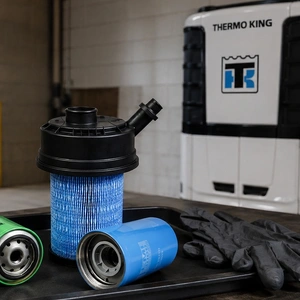
Approved wear items are replaced during scheduled field maintenance so the trailer does not need a separate shop trip for routine work.

Field Electrical and Battery Testing

Field Electrical and Battery Testing

Battery capacity, charging support, cables, grounds, fuses, and control power are tested under operating demand at the fleet location.

Mobile Cooling Circuit Inspection

Mobile Cooling Circuit Inspection

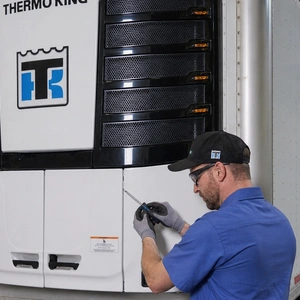
Refrigerant condition indicators, leaks, compressor behavior, coils, fans, drains, and temperature response are checked on site.

Yard Service Documentation and Follow Up

Yard Service Documentation and Follow Up

Completed PM work, failed items, repair recommendations, deferred scope, and the next service point are delivered for each trailer.

Sensor Findings During a Mobile Reefer PM Visit

Compare the relevant readings with observed conditions and applicable service information. A sensor check during maintenance should not be described as an automatic recalibration or a complete diagnosis of every cooling issue.

Planning Mobile PM Around Parked Reefer Equipment

Confirm the trailer list, safe work positions, and access window before the visit. Availability at a yard makes coordination possible but does not establish that every inspection or repair can be performed there.

A Reefer Due for PM with an Urgent Complaint

Tell the technician about active alarms, poor recovery, or starting problems before the planned visit. An unresolved fault needs its own investigation rather than being treated as a routine service item.

Yard Conditions for Mobile Reefer Maintenance

Space, lighting, isolation, and access to the installed unit affect the work list. A loading dock or fleet yard can still be unsuitable for a particular task, especially when trailers continue moving nearby.

Mobile preventive reefer maintenance can reduce unnecessary asset movement when a fleet yard provides safe access and the planned work can be completed and verified with field equipment. It is not a universal substitute for the shop. The correct setting depends on the checklist, unit condition, access, weather, site rules, and any repair discovered during inspection.

This service model is intended for Illinois fleet locations. Work in Indiana or another state can be arranged for fleet assignments when travel, access, and scope are confirmed in advance. It should not be interpreted as a fixed local response promise outside Illinois.

Choose Mobile PM by Work Scope

Routine inspection, accessible service items, battery and connection checks, belt and visible hose condition, controller history, airflow observations, and defined operating checks may fit a fleet-yard visit. The exact scope varies by Thermo King or Carrier platform and the applicable maintenance level.

Work that needs extended controlled runtime, recovery equipment, major disassembly, difficult access, or shop-only testing belongs in the shop. If the unit arrives with an active breakdown rather than a scheduled maintenance condition, the job should be routed as diagnosis and repair first.

Prepare the Fleet Yard Before the Visit

Assign a stable work area away from moving traffic and active loading operations. Confirm clearance around the unit, keys and controller access, site contact, unit list, service records, and any safety or check-in requirements. Identify loaded trailers and cargo restrictions before work begins.

Group units by model and maintenance scope when practical, but do not let the schedule erase asset-specific complaints. A trailer with a repeat shutdown or temperature concern needs its history attached to the work order even if it is parked beside otherwise routine PM units.

Build the Worklist From Verified Fleet Data

The mobile worklist should include unit identity, displayed hours, last completed event, next due point, recent alarms, open repairs, and the requested checklist. Confirm the list close to the service date so sold, moved, or out-of-service equipment is not treated as available.

Prioritize units by operational need rather than parking order alone. Assets approaching a demanding route, units with open monitoring items, and equipment due by both time and hours may need earlier positions. The fleet should also reserve enough availability so maintenance does not create an avoidable dispatch shortage.

Keep PM Findings Separate From Added Repairs

A preventive visit often finds work outside the routine checklist. Record the evidence, operational effect, and recommended timing. Obtain the required authorization before expanding the work. This keeps a defined PM event from turning into an unclear collection of unpriced repairs.

Some confirmed, accessible component work may be appropriate at the yard. Other findings require shop escalation. The service record should show which items were completed, which were deferred, and why the setting changed the repair path.

Use Consistent Checks Across Every Unit

Consistency is the main advantage of a planned fleet-yard event. Each unit should receive the assigned checklist, identification check, alarm-history review, condition observations, service tasks, and release record. A rushed visual pass on later units undermines comparison across the fleet.

Model-specific differences still apply. Carrier and Thermo King platforms do not share one universal procedure, parts set, or interval. The shared fleet process controls documentation and scheduling; the technical work follows the installed equipment.

Verify Results Within Field Limits

After service, record start and operating behavior, controller state, charging or power evidence where relevant, active alarms, and the available temperature-control observation. State whether the trailer was loaded, the starting temperature condition, and the duration or limitation of the check.

A brief yard run should not be described as proof of performance on every route. If the complaint needs longer runtime, loaded recovery, or controlled mode transitions, schedule the appropriate shop test or a defined follow-up. The fleet needs a truthful release state more than an overbroad assurance.

Coordinate Mobile PM With the Main Maintenance Program

Mobile work should update the same unit history and next-due calculation used for shop service. Completed tasks, findings, parts, measurements, deferred items, and verification notes belong in one record system. Separate mobile notes create gaps that later look like missed maintenance.

Review results after each fleet event. Repeated findings across similar units may justify changes to inspection attention, site practices, cleaning, scheduling, or a planned shop campaign. Decisions should follow the recorded pattern and platform guidance, not a generic claim about predictive maintenance.

When the Shop Is the Better Next Step

  • The worksite cannot provide safe clearance or isolation from yard traffic.
  • The fault needs extended runtime or controlled operating transitions.
  • Leak service, recovery, major disassembly, or component access exceeds field capability.
  • The unit has a repeat complaint that short inspections have not reproduced.
  • Required verification cannot be completed accurately at the yard.

A mobile PM program works best when those limits are decided before the visit and documented when conditions change. It then becomes one delivery method inside the fleet maintenance plan, not a promise that every reefer task can be completed where the trailer is parked.
Related Reefer Service Resources

Agreeing on the Scope of a Mobile PM Appointment

State the included tasks, unit list, and process for additional findings. The arrangement should not imply a guaranteed response time or automatically include every repair discovered during inspection.

Mobile Reefer PM Across a Larger Fleet

Track work by individual unit even when several trailers are serviced together. Equipment unavailable during the visit must remain outstanding rather than being included in a fleet-wide completion statement.

When Mobile Reefer PM Needs Shop Follow-Up

Some findings require extended testing, disassembly, or conditions unavailable in the yard. Record the supported next step and retain the inspection evidence instead of treating the field visit as full corrective repair.

A Mobile PM Record with Verification Limits

List tasks completed, defects found, work deferred, and relevant operating observations. The record supports fleet maintenance decisions without certifying cargo condition or promising a particular audit result.

Yard-Based Preventive Maintenance Questions for Dispersed Reefer Fleets

When does bringing maintenance to the asset beat sending it to a shop?

When the trailer sits at a drop yard, satellite terminal, or customer site far from base. Moving it consumes a driver, a tractor, and a working day for a service that takes a fraction of that. Assets parked away from base are also the ones that quietly miss intervals, because nobody is looking at them.

What can realistically be completed during a yard-based maintenance visit?

Filter and belt service, fluid checks and changes, coil cleaning, battery and charging verification, sensor calibration, controller diagnostics with history download, and refrigerant-side measurement. That covers the substance of an interval. What it does not cover is anything requiring the unit dismantled or run under controlled conditions.

Should a yard visit be timed against dispatch windows?

Always, and the trailer usually supplies them. A unit waiting for a load or standing idle through the night is available at no operational cost, whereas pulling one out of rotation creates exactly the disruption the service was meant to avoid. Access arrangements at the site then govern which of those windows is actually usable.

How does yard maintenance differ from a mobile emergency call?

Everything about the conditions. Maintenance is planned, the scope is known in advance, the parts are on board deliberately, and no load is at risk. An emergency call is defined by what has already failed and by whatever position the trailer happens to be in. The two need different preparation entirely.

Which work still has to reach a controlled environment despite mobile capability?

Component work requiring the unit substantially dismantled, faults needing extended runtime to reproduce, refrigerant work following contamination, and any repair whose verification cannot be completed on site. Trailer body work sits outside as well. Recognising those early prevents a maintenance visit turning into an incomplete repair.

What a Reefer Preventive Maintenance Checklist Includes

A complete reefer PM checklist records unit identity, condition, operating evidence, corrective priorities and the basis for returning the asset to service.

Reefer Maintenance Contracts for Logistics and Distribution Fleets

Reliable refrigeration means uninterrupted logistics. Discover how planned service agreements help reduce fleet risks, extend equipment lifespan and stabilize your cold chain performance with structured, contract-based maintenance.

Critical Reefer Components and Their Preventative Care Routines

Protect your fleet from unexpected failures with structured maintenance routines. Discover how focusing on the most critical components helps reduce downtime, extend equipment life, and support on-time deliveries in high-demand logistics operations.

How Preventative Maintenance Reduces Reefer Downtime and Costs

Keep your fleet moving without interruptions. Discover proven strategies to reduce downtime, control costs, and extend the service life of refrigerated trailers through preventive maintenance. Every hour saved on the road means higher reliability and fewer emergency repairs.

Reefer Maintenance Logs and Audit-Ready Records

Reefer maintenance records should show what was inspected, what evidence was found, what changed and what remains open for each identified unit.

Cold Chain Compliance Through Preventative Reefer Maintenance

Ensure regulatory compliance and cargo integrity with targeted cold chain maintenance. Prevent shipment failures and protect sensitive goods through proactive service plans designed for time-critical refrigerated transport. Reliable, audit-ready, and built for high-stakes logistics.

Using Technology to Track and Manage Reefer PM Services

Digitize your reefer maintenance process with automated tracking and predictive insights. Eliminate manual scheduling errors, reduce unplanned downtime, and gain full control over service intervals across your fleet. Scalable, precise, and built for logistics operations that demand consistency.

Preventative Reefer Maintenance Strategy for Fleet Managers and Dispatchers

Fleet performance starts with smart planning. Discover how preventative maintenance strategies aligned with dispatch priorities can help avoid reefer downtime, reduce emergency calls, and extend the service life of critical refrigeration assets across your entire operation.

Call us: (312) 680 4033