

Reefer maintenance records should let a fleet reconstruct what happened to a specific unit without relying on memory. A useful file connects unit identity, scheduled inspections, operating complaints, alarm history, findings, repairs, deferred items, and release evidence. It supports internal control and customer or shipper documentation, but it does not by itself certify regulatory compliance.
Use One Stable Identity for Each Unit
Every record should carry the fleet asset number, refrigeration-unit make, model, serial number, controller family, and the trailer or truck association in effect on the service date. If equipment is moved or replaced, record the change rather than continuing the old identity by habit.
Stable identification is the basis for accurate history. It keeps an alarm or repair from being attributed to a similar unit and allows hours, dates, parts, and findings to be compared over time.
Record the Reason for the Visit
Separate scheduled PM, seasonal inspection, breakdown response, repeat-fault diagnosis, repair follow-up, and pre-route review. Include the complaint in operational language: what the unit did, when it happened, under which mode or load condition, and whether the behavior had occurred before.
A note such as “not cooling” is not enough for later analysis. A stronger record states whether the concern was weak pull-down, temperature drift after runtime, shutdown, cycling, defrost behavior, loss of controller power, or another observed pattern.
Preserve Evidence Before It Is Cleared
Record active and recent alarms, controller state, displayed temperatures, operating hours, and relevant measurements before resets or repairs change the evidence. Where connected data or fleet telematics is available, attach or reference the useful time window without treating remote data as a substitute for direct inspection.
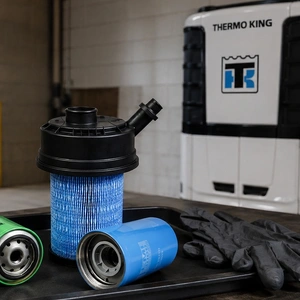
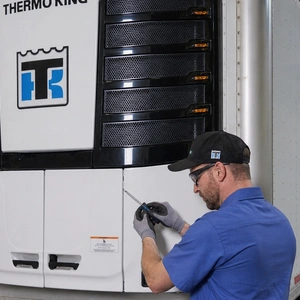
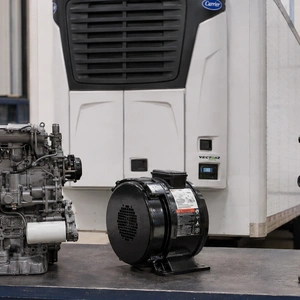
Photos can document visible condition, identification plates, damaged connections, contamination, leaks, frost patterns, or the completed installation. They should be labeled to the unit and visit. A folder of anonymous images does not create an audit trail.
Distinguish Inspection, Diagnosis, and Repair
An inspection records condition. Diagnosis identifies the supported failure path. Repair records what was changed. These stages may occur during one visit, but the notes should not collapse them into a single phrase such as “checked and fixed.”
For replaced components, record the component identity and fitment basis, the reason replacement was selected, and the post-work verification. For adjustments or connection repairs, state the condition found and the specific correction. If no fault was reproduced, say so and define what evidence would trigger another review.
Keep Deferred Items Visible
A deferred item needs a description, priority, reason, owner, and due point. “Monitor” without a trigger is not actionable. A usable monitor note identifies the symptom or measurement to watch, the route or condition under which it may return, and the response if it does.
Do not mark an entire work order complete when routine PM is finished but a material repair remains open. Close the scheduled task and carry the repair disposition separately. Dispatch can then see whether the asset is released without restriction, released with a defined observation, or held for further work.
Document the Conditions of the Verification
Post-work records should state what operating sequence was observed and for how long it was available, together with relevant starting conditions. A short unloaded yard run and a loaded route are not equivalent tests. The record should make that limitation visible instead of presenting the result as a guarantee.
When deeper testing requires the shop, connect the mobile findings to the shop work order. The next technician should not have to repeat the same intake and preliminary checks unless the condition changed.
Build a Record Set the Fleet Can Retrieve
Organize files so an authorized fleet user can retrieve the current schedule, completed checklist, repair history, open items, and release evidence by asset. Use controlled field names and dates. Avoid separate personal spreadsheets that use different unit names or lose the relationship between a repair and its follow-up.
Retention periods and required documents depend on the fleet’s contracts, cargo, customers, insurers, and applicable rules. Those requirements should be defined by the responsible fleet and compliance professionals. Service records can support that program by being complete and traceable; they should not claim to replace it.
Review the Records for Action, Not Volume
Periodic review should identify overdue events, repeat alarms, recurring component or connection findings, temporary repairs, units with repeated road calls, and deferred work approaching its due point. The goal is to produce a short action list tied to named assets.
Good records also reveal where the maintenance plan needs adjustment. If similar units repeatedly return with the same condition under the same duty, the fleet can review inspection attention, operating practice, cleaning, routing, or service timing. The record supports the question; it does not invent the answer.
Minimum Record for Each Service Event
- Unit and vehicle identity, date, location, hours, and technician.
- Reason for service and the operating complaint in specific terms.
- Alarm history, measurements, observations, and supporting images when useful.
- Inspection scope, diagnostic conclusion, and work performed.
- Installed component or material details where applicable.
- Verification conditions and result.
- Open, deferred, or monitored items with an owner and due point.
- Next scheduled maintenance event.
This structure gives maintenance, dispatch, and management the same evidence while leaving regulatory and contractual determinations with the parties responsible for them.
Illinois Service Area
Primary service coverage extends across Illinois, including Chicago-area freight facilities, fleet yards, docks, and major interstate routes. Fleet work in Indiana or another state may be arranged when travel, access, schedule, and scope are confirmed in advance; it is not represented as blanket local coverage.