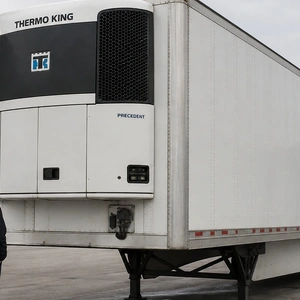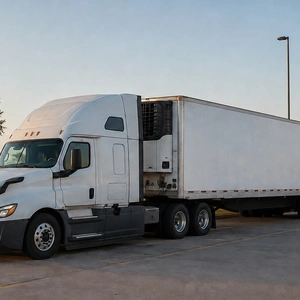


Temperature deviations during transit often go undetected until cargo is rejected at its destination. In food logistics and pharmaceutical distribution, even minor equipment faults can cause cold chain breaches that lead to product loss, liability claims, and regulatory non-compliance. Without a structured cold chain equipment maintenance program, fleet operators expose themselves to shipment failures, audit violations, and irreversible damage to client trust.
Protect Cargo Integrity with Structured Maintenance
Our preventative reefer maintenance programs are specifically tailored for cold chain applications where temperature accuracy is non-negotiable. We help logistics providers and fleet managers implement service plans that align with FDA, FSMA, and GxP regulations, eliminating vulnerabilities before they compromise sensitive cargo. The goal is simple: maintain temperature control from pickup to delivery with no margin for error.
Refrigerated Cargo Compliance Service in Practice
Compliance starts with data. Every preventative maintenance session includes full diagnostics, performance testing, and system calibration. We test and document sensor accuracy, refrigerant charge integrity, defrost cycle timing, and insulation effectiveness. This ensures each reefer unit meets validated thresholds required for food safety and pharmaceutical standards. All service actions are recorded in compliance-grade logs, available for internal quality assurance or external audits.
Food Logistics Reefer PM to Meet FSMA Standards
For food distributors, the Food Safety Modernization Act mandates continuous temperature monitoring and documented preventive controls. Our food logistics reefer PM services directly support these requirements by validating cooling system reliability across all transit phases. We perform thermograph validation, airflow testing, and alarm system verification to prevent excursions that trigger FSMA violations. Each inspection is mapped to the unit's operational history, providing traceability and audit protection.
Pharma Cold Chain Service Plan for Regulatory Precision
Pharmaceutical shipments operate under strict guidelines like USP <1079> and GDP, requiring controlled temperature and data verification. Our pharma cold chain service plans include detailed calibration of control sensors, battery backup verification, and setpoint validation against load configuration. We ensure that reefer equipment maintains required conditions for time-sensitive biologicals, injectables, and high-value therapeutics. PM reports support validation protocols and GMP compliance for the entire shipping process.
Critical Components Monitored in Every Maintenance Cycle
Cold chain compliance is only as reliable as its weakest link. Preventative maintenance focuses on the following high-impact areas:
- Evaporator and condenser coil efficiency
- Thermostat sensor alignment and signal consistency
- Compressor cycle timing and load response
- Fuel system reliability for continuous operation
- Battery diagnostics for autonomous power support
- Door seal integrity to prevent temperature leakage
Cold Chain Equipment Maintenance: Operational Advantage
Beyond compliance, structured reefer PM improves route predictability and client confidence. When equipment operates within certified parameters, there is less disruption, fewer rejected loads, and greater accountability. Dispatchers gain confidence in asset performance, and operations managers can focus on scale rather than damage control. Cold chain maintenance translates directly to reputation protection and contract retention.
Cold Chain Readiness Across Fleet Sizes
Whether managing a dedicated food fleet or contracted pharmaceutical loads, consistency is key. We adapt maintenance protocols to fit single-unit operations, mid-size fleets, and enterprise logistics providers. Our team provides interval schedules based on usage intensity, temperature profiles, and geographic exposure. This ensures scalable compliance without over-servicing or increasing downtime unnecessarily.
Data-Driven Reporting for Compliance Audits
All preventative maintenance activities are digitally logged with time-stamped entries and technician ID. Reports include component status summaries, repair notes, and checklist confirmations, formatted to align with audit expectations. Clients can access historical performance reports during regulatory reviews or client assessments, eliminating the need for retroactive documentation.
Why Cold Chain PM Cannot Be Deferred
Cold chain failures don’t present visible early warnings. They surface post-incident when spoilage or product damage becomes apparent. Preventative maintenance detects compressor inefficiencies, calibration drift, and insulation degradation before they result in loss. Deferring service to save costs typically results in higher exposure to risk, regulatory intervention, and irreversible cargo damage.
Next Step: Secure Your Cold Chain Compliance
Don’t wait for a failed delivery or compliance breach to act. Strengthen your refrigerated fleet’s integrity with cold chain-focused preventative maintenance. Ensure your food and pharmaceutical cargo arrives intact, on time, and audit-ready. Request a customized service assessment and protect your logistics operation from preventable failures.