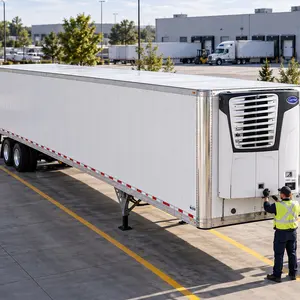


A reefer alarm code reported from the road identifies a diagnostic direction, not a complete repair. The same visible symptom can be associated with controller power, a sensor circuit, starting or charging behavior, fuel delivery, airflow, defrost, refrigerant-circuit condition, or a mechanical problem. Code interpretation must use the exact Thermo King or Carrier platform, controller family, code state, and operating history.
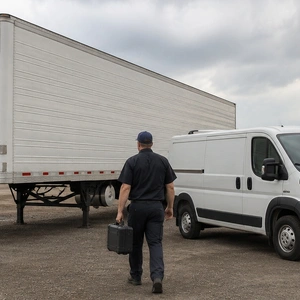
Roadside alarm assessment is available at safe Illinois locations. The aim is to determine whether the unit can be diagnosed and repaired in the field, requires monitoring under a defined condition, or needs controlled shop testing. The page does not promise that every code can be cleared or repaired without relocation.
Record the Full Alarm Before It Is Cleared
Provide the code exactly as displayed, including any text, qualifier, or active/historical status. Record the time, setpoint, displayed temperature, unit mode, load status, and what happened before the alarm appeared. A photo of the controller screen can prevent transcription errors.
Do not assume that a code number carries the same meaning across brands or controller generations. Do not repeatedly reset the unit to remove the display. Clearing history can erase the sequence that helps distinguish the original event from a secondary alarm created by shutdown.
Separate the Alarm From the Operating Complaint
The technician compares the code with what the unit actually does. A controller may display an alarm while the primary complaint is no crank. Another unit may run but fail to pull down. A third may restart normally and shut down only after vibration or extended runtime. Those conditions require different evidence even if dispatch receives them under the same broad “SR code” label.
The intake should therefore state whether the controller is powered, whether the engine cranks and starts, whether cooling is present, whether the temperature is moving toward or away from setpoint, and whether the event has repeated after earlier service.
Field Checks Follow the Supported Fault Domain
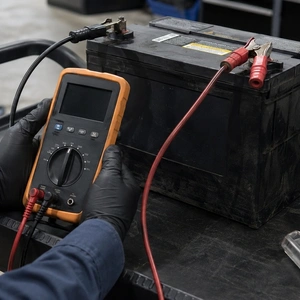
Accessible electrical checks can evaluate power availability, connections, grounds, protection devices, starting requests, voltage behavior under load, and charging evidence. Engine-running concerns may require fuel, control, speed, or mechanical observations. Cooling complaints may move toward airflow, heat exchangers, defrost, sensors, refrigerant-circuit evidence, and controller inputs.
The code helps select the path; it should not be converted into an unsupported instruction to bypass a protection, force an actuator, recalibrate a sensor, reflash a controller, or replace a named component. Those actions require the applicable technical procedure, suitable equipment, and confirmed service scope.
When a Roadside Repair Is Appropriate
A safe work position and an accessible confirmed fault may allow the technician to correct a connection, replace a serviceable battery, starting, charging, belt, sensor, or other component, and then verify the relevant operating sequence. Part availability and fitment are checked for the identified unit after diagnosis.
If the alarm is secondary to another failure, that cause is handled first. If the code does not return during a brief field check but the original condition requires longer runtime, the report should define the limitation and the next test rather than declaring the fault permanently closed.
When Shop Diagnostics Are Required
- The trailer cannot be positioned safely for field work.
- The complaint requires extended runtime, loaded recovery, or controlled mode transitions.
- Access, disassembly, recovery equipment, or the repair procedure exceeds field conditions.
- The same alarm or shutdown has returned after one or more short interventions.
- The field site cannot support a meaningful post-work verification.
The mobile findings should travel with the unit. That includes controller history, measurements, symptoms observed, any temporary correction, and the conditions needed to reproduce the event.
Illinois Coverage and Dispatch Limits
Primary coverage is across Illinois, including interstate stops, docks, truck stops, warehouses, and fleet yards. Exact response is confirmed from the current call; no code class or corridor name guarantees an arrival time.
Planned fleet work in Indiana or another state can be arranged when travel, schedule, access, and scope are agreed. It should not be interpreted as local emergency coverage in every neighboring location.
Close With a Verifiable Result
The service record should identify the unit and controller, preserve the original alarm, list direct findings and work performed, state the verification conditions, and distinguish cleared, active, and unresolved issues. It should also say whether the unit was returned to service, released with monitoring, or routed to the shop.
That evidence-based result is more useful than a generic “code reset.” It gives the fleet a defensible next action without inventing technical certainty that the field test did not establish.