Transport Refrigeration Chicagoland

Roadside Reefer Refrigerant Leak Diagnosis

Refrigerant loss is diagnosed before charging; leak location, repairability, unit identification and worksite safety determine the correct service path.

Carrier & Thermo KingReefer · TRU · APU service
EPA 608 Type II CertifiedRecovery & recharge
Licensed & InsuredCOI & additional insured
24/7 Illinois-Wide RoadsideEvery major freight corridor
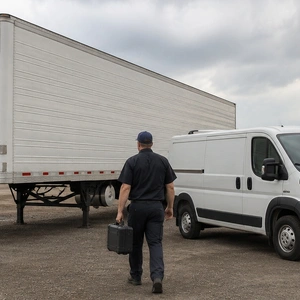
Mobile Leak Source Detection

Mobile Leak Source Detection

Electronic and pressure based testing is used to locate refrigerant loss at service ports, joints, hoses, coils, and other accessible circuit points.

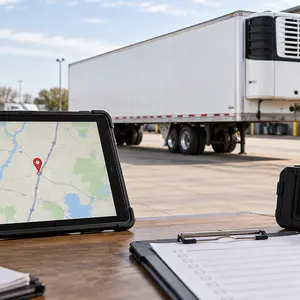
Service Port and Valve Core Repair

Service Port and Valve Core Repair

Leaking port hardware and valve cores are replaced when the fault is confirmed and the surrounding connection remains suitable for field service.

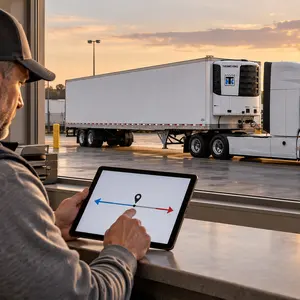
Refrigerant Circuit Evacuation

Refrigerant Circuit Evacuation

After an approved repair, the opened circuit is evacuated and checked for vacuum stability before refrigerant is returned to the system.

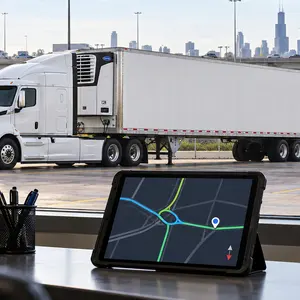
R404A System Recharge

R404A System Recharge

R404A charge is restored by measured service practice and verified against operating conditions rather than added as an unmeasured top off.

R452A Charge Correction

R452A Charge Correction

R452A systems receive blend appropriate charging and performance checks to avoid a false recovery caused by an incorrect field charge.

Cooling Recovery and Leak Verification

Cooling Recovery and Leak Verification

The repaired circuit is checked for renewed leakage, stable pressures, temperature movement, and normal control before roadside closeout.

Refrigerant Loss Before a Recharge Decision

A weak-cooling complaint needs diagnosis before refrigerant is added. The unit's identification, current charge information, operating condition, and evidence of leakage determine the supported service scope.

Field Leak Repair with Appropriate Access

A leak may be accessible at the stop or require shop conditions. The repair decision depends on the actual location, procedure, and equipment needed, not a blanket promise to stop every leak roadside.

R-452A Identification Before Refrigerant Work

Confirm the unit label and applicable service information before discussing a charge correction. Refrigerants should not be mixed, and a topping-off request does not establish that the installed system is eligible.

Refrigerant-Circuit Findings and Cooling Performance

Airflow, sensors, mode, and circuit behavior must be considered together. Low capacity does not by itself identify a leak or show which part of the refrigeration system needs corrective work.

Loss of cooling does not prove that a reefer only needs refrigerant. A low-charge condition may be present, but airflow restriction, defrost behavior, sensor error, controller input, heat-rejection problems, compressor capacity, and other faults can produce a similar temperature complaint. Refrigerant is added only after the system, refrigerant type, leak evidence, repair scope, and safe service conditions are established.

Mobile leak assessment may be available at safe Illinois roadside stops, docks, warehouses, and fleet yards. The field setting does not make every leak repairable on site. Recovery requirements, access, weather, traffic exposure, component damage, contamination risk, and the verification needed after repair determine whether the work stays mobile or moves to the shop.

Confirm the Unit and Refrigerant Before Service

Identify the Thermo King or Carrier platform, model, serial information, and refrigerant designation from the unit’s applicable labeling and records. Do not select a refrigerant from the age of the trailer, a previous invoice, or a broad model assumption. A mixed or incorrectly identified charge can create a larger service problem.

Provide the setpoint, current temperature trend, load status, active alarms, recent repairs, and the conditions under which cooling declined. This helps separate a suspected leak from a system that is running but unable to reject heat, move air, defrost correctly, or receive accurate sensor information.

Leak Diagnosis Comes Before Charging

The technician evaluates available operating evidence and inspects accessible service points, fittings, hoses, coils, and other potential leak areas as appropriate to the unit and procedure. The chosen detection method depends on the system state, access, and applicable service practice.

A “top off” without addressing the source is not presented as a completed repair. If refrigerant loss is confirmed, the service path should identify the leak or define why it could not be located, determine whether the failed area is repairable in the field, and establish what recovery, evacuation, charging, and verification steps are required.

Field-Eligible Leak Work Has Narrow Conditions

An accessible service-port or connection concern may be suitable for mobile repair when the technician can control the work area, use the required equipment, complete the applicable procedure, and verify system integrity and operation. Part and refrigerant availability are confirmed for the identified unit and are not assumed from the dispatch description.

Line damage, coil leakage, difficult access, major component work, uncertain refrigerant identity, contamination concerns, or repairs requiring extended controlled testing may require the shop. A safe escalation is preferable to an incomplete roadside charge that obscures the original condition.

R-404A and R-452A Require Unit-Specific Handling

Different refrigerants and system designs have different service requirements. The technician follows the applicable labeling, technical information, recovery practice, charging method, and safety procedure for the installed unit. This page does not provide a universal charge weight, pressure target, conversion procedure, or do-it-yourself instruction.

An R-452A question may concern a unit already designed for that refrigerant or a proposed retrofit. Retrofit eligibility and component compatibility must be assessed separately. A service request should not assume that any R-404A system can be converted in the field.

Temperature Evidence and Cargo Decisions

Record the temperature trend and timing while the equipment assessment proceeds. The service team can document unit condition and available observations, but cargo acceptance, transfer, disposition, and claims decisions remain with the fleet and other authorized cargo parties.

Refrigerant service cannot guarantee that a load remained within every contractual or regulatory requirement. Those determinations need the relevant temperature records, cargo rules, and responsible decision makers.

Verify More Than Pressure After Repair

Post-work checks should match the repair and original symptom. Depending on the unit and conditions, the record may include leak-repair verification, evacuation or charge documentation, controller state, operating pressures or temperatures used by the applicable procedure, airflow and heat-exchanger observations, alarm status, and temperature response during the available test.

A short unloaded observation is not the same as loaded route performance. If the unit needs longer runtime or a controlled pull-down test, the report should say so and schedule that step rather than converting a temporary change into a broad guarantee.

Illinois Service Area and Planned Travel

Primary coverage extends across Illinois. Mobile eligibility is decided from the exact location and live conditions, not from the presence of a highway or city name. Fleet assignments in Indiana or another state may be arranged when travel, access, and scope are agreed in advance.

Choose the Correct Service Path

Request mobile assessment when the unit is safely accessible and immediate diagnosis is needed. Use the shop when recovery, repair, access, or verification exceeds field conditions. In both settings, the correct sequence is the same: confirm the unit, diagnose the cooling complaint, find and repair the supported leak path, handle refrigerant through the applicable procedure, and document the result and its limits.

Related Reefer Service Resources

A Refrigeration Alarm with a Changing Temperature

Keep the exact message and temperature timeline with the unit record. Pressure-related symptoms require interpretation under the actual operating conditions rather than a single-code leak diagnosis.

Service-Port Findings During Leak Investigation

Inspect and test the suspected location using the applicable procedure. A valve-core replacement is appropriate only when the finding and equipment design support it, not as an automatic fix for every lost charge.

Keeping Refrigerant Type Clear in Fleet Records

Record the identified refrigerant and work performed against the correct unit. An R-404A or R-452A reference in another trailer's history should not be used as proof of the current unit's charge.

Verification After a Reefer Leak Repair

The closeout should identify the leak finding, corrective work, and tests completed. A later cooling reading alone does not document leak integrity or establish the condition of the transported cargo.

Refrigerant Loss and Recharge Questions for Trailer Units on the Road

Does adding refrigerant to a trailer unit ever count as a completed repair?

No, because these circuits are sealed and do not consume refrigerant in normal service. A charge that has fallen left through a joint, a valve core, a fitting, or a damaged line, and topping it up returns the unit to the same condition within weeks. The loss point is found and corrected before any charge goes in.

What does a roadside refrigerant repair involve beyond adding refrigerant?

Locating the loss with detection equipment, correcting it where it is accessible, evacuating the circuit to remove moisture and non-condensables, verifying vacuum holds, and then charging by weight to the specified figure. Service valve cores and Schrader fittings are a common loss point and are straightforward to replace in the field.

How does charging a blend like R-452A differ from an older single refrigerant?

Blends have temperature glide, so pressure and temperature relationships differ across the circuit and the charge has to go in as liquid and be weighed rather than trimmed by gauge pressure alone. Getting that wrong produces a unit that runs while handling the load unevenly, which is harder to detect than an obvious undercharge.

Which conditions make refrigerant work inadvisable at a roadside position?

An accessible position with no safe working clearance, a leak located in a section that cannot be reached without dismantling, evidence of a burnout or contamination in the circuit, and any situation where recovery equipment cannot be operated properly. Charging into a contaminated system spreads the problem into the replacement parts.

Where does field refrigerant work end and shop work begin?

At any repair needing the circuit opened for an extended period. Leaks in brazed joints requiring hot work, compressor changes, filter drier replacement after contamination, and refrigerant conversion all belong in a controlled environment. Attempting them at the roadside usually introduces moisture into the system, and that causes the next failure.

Mobile Reefer Repair Near Me in Illinois

A nearby mobile reefer call starts with exact location, unit identity, temperature trend, load status and safe access—not a promised arrival time.

Emergency Reefer Repair Without Towing

A field-first response can avoid unnecessary towing when the location and repair scope allow it; unsafe or shop-dependent work still requires relocation.

24-Hour Mobile Reefer Service in Illinois

After-hours reefer response is routed by exact location, safe access, unit condition and current technician availability; no fixed ETA is implied.

Mobile Carrier and Thermo King Reefer Repair

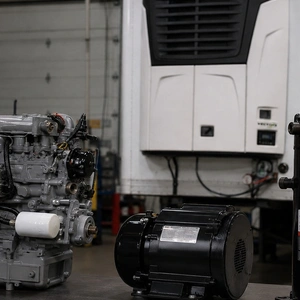
Mobile service begins with make, model, controller, symptom and operating context so Carrier and Thermo King units follow the correct diagnostic path.

Roadside Reefer Alarm-Code Diagnostics

A roadside alarm code is evidence for triage, not a guaranteed diagnosis; safe access and direct checks determine whether the work stays in the field.

Mobile Reefer Electrical and Battery Diagnostics

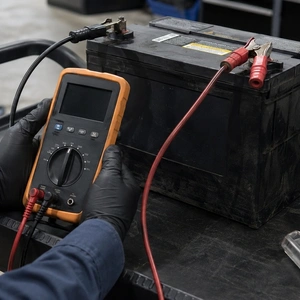
Field electrical diagnosis separates battery condition, connections, charging, control power and starting-circuit evidence before parts are replaced.

Predictive Mobile Diagnostics to Prevent Reefer Downtime

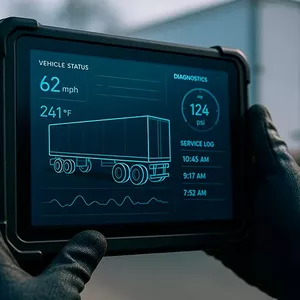
Avoid costly delays with real-time fault detection and field-ready mobile diagnostics. Discover how predictive service strategies reduce breakdown risks and keep your reefer fleet running without interruptions.

Industrial Corridor Mobile Repair Response Times and Coverage

Timely service coverage matters when every mile counts. Explore how mobile support across industrial routes minimizes delivery risks, cuts response delays, and keeps your fleet on schedule — wherever the cargo needs to go.

Mobile Load Transfer and Trailer Recovery for Failed Reefers

When refrigerated transport fails on the road, every minute matters. Learn how specialized mobile teams handle emergency load transfers and trailer recovery to safeguard your cargo and minimize costly delays.

Reefer Repair Along I-55 in Illinois

A reefer failure on I-55 needs a usable location, safe work position and accurate unit information before field service begins. Illinois corridor support is planned around access, fault evidence and repair conditions at the trailer.

Reefer Repair Along I-80 in Illinois

I-80 reefer service calls can begin on a rural stretch, at a truck stop or inside the busy Joliet freight corridor. Exact east-west position, equipment identity and safe access determine how the Illinois repair visit is planned.

Reefer Repair Along I-90 and I-94 in Illinois

Illinois I-90 and I-94 calls cross tollway, suburban interchange and urban expressway conditions. The exact route branch, direction, parking position and reefer identity determine how service is coordinated.

Truck Stop Reefer Repair for Thermo King and Carrier Units

A truck stop can provide a safer alternative to an interstate shoulder, but it remains shared property. Parking position, site rules and clearance around the trailer front wall must be confirmed before mobile reefer work begins.

Loading Dock Reefer Repair for Thermo King and Carrier Units

A reefer failure at a loading dock affects the unit, trailer position and facility schedule. Mobile work starts only after the responsible parties confirm access, movement authority and a safe working area.

Fleet Yard Reefer Repair and Service

Corrective reefer repair at Illinois fleet yards, organized around an exact trailer list, safe access, unit-by-unit diagnosis and a clear status handoff.

Reefer Repair at Warehouses and Distribution Centers

Corrective service for trailer refrigeration units on warehouse and distribution-center property, coordinated with access rules, trailer movement and facility operations.

Call us: (312) 680 4033