Transport Refrigeration Chicagoland

Predictive Mobile Diagnostics to Prevent Reefer Downtime

Avoid costly delays with real-time fault detection and field-ready mobile diagnostics. Discover how predictive service strategies reduce breakdown risks and keep your reefer fleet running without interruptions.

Carrier & Thermo KingReefer · TRU · APU service
EPA 608 Type II CertifiedRecovery & recharge
Licensed & InsuredCOI & additional insured
24/7 Illinois-Wide RoadsideEvery major freight corridor
Pre Trip Condition Assessment

Pre Trip Condition Assessment

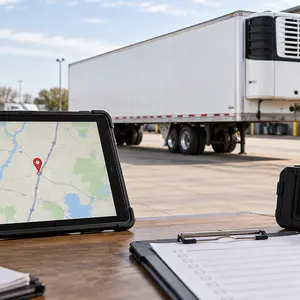
A mobile inspection reviews recent alarms, operating history, visible condition, and current performance before the unit is committed to a demanding route.

Compressor Vibration Trend Review

Compressor Vibration Trend Review

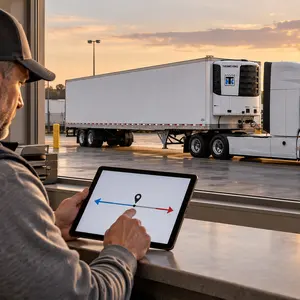
Vibration findings are compared with mounting, drive, and operating behavior to identify mechanical changes that deserve deeper service attention.

Temperature Sensor Calibration

Temperature Sensor Calibration

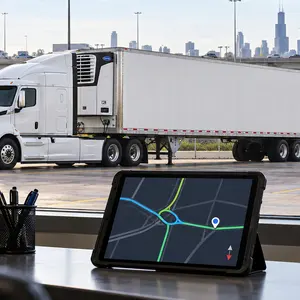
Controller readings are compared with independent measurements so drift can be corrected before it produces false confidence or nuisance alarms.

Intermittent Power Fault Screening

Intermittent Power Fault Screening

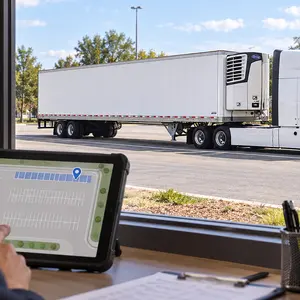
Battery support, alternator behavior, grounds, harnesses, and voltage events are checked for developing faults that may only appear under load.

Refrigerant Performance Trend Check

Refrigerant Performance Trend Check

Temperature recovery, pressure behavior, and cooling cycle patterns are reviewed for early signs of charge loss or declining heat transfer.

Fleet Risk Report and Service Priorities

Fleet Risk Report and Service Priorities

Findings are translated into immediate corrections, planned follow up work, and monitored conditions so maintenance decisions match actual unit risk.

Mobile Reefer Diagnostics as Proactive Maintenance

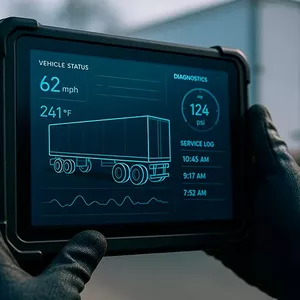
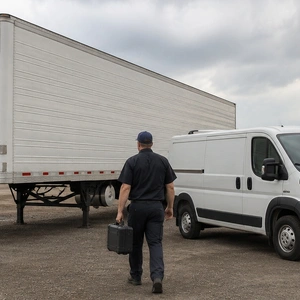
To minimize downtime risks, we deploy mobile reefer diagnostics designed for in-field predictive maintenance. Our technicians arrive on site with advanced analysis tools to detect early symptoms of failure, calibrate sensors, and run full-system assessments without interrupting cargo flow.

Seamless Reporting for Fleet Oversight

Post-diagnostic data is formatted into service-ready reports that can be integrated into fleet management platforms. This allows managers to identify systemic issues across assets, monitor service quality, and benchmark reefer unit performance over time. Minimize operational risk by scheduling predictive reefer diagnostics on your terms.

Reefer Downtime Prevention Starts with Early Detection

Most breakdowns result from ignored signals, minor drifts, or overlooked wear. Our predictive mobile diagnostics capture and interpret these early signs, preventing escalations and ensuring temperature stability from pickup to delivery, even on complex multi-stop routes.

When Predictive Diagnostics Are Most Critical

This service is ideal before long-haul trips, during pre-departure checks, or after system alerts that don’t resolve with standard resets. It is especially effective for reefer units nearing mid-life usage or operating in fluctuating ambient conditions that stress sensors and electronics.

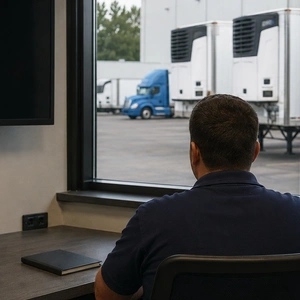
Unexpected reefer shutdowns during transit create costly delays, spoil cargo, and disrupt logistics schedules. A sudden temperature rise due to undiagnosed electrical or mechanical issues can force rerouting or load rejection, especially when no service shop is nearby.

Mobile reefer diagnostics as proactive maintenance

To minimize downtime risks, we deploy mobile reefer diagnostics designed for in-field predictive maintenance. Our technicians arrive on site with advanced analysis tools to detect early symptoms of failure, calibrate sensors, and run full-system assessments without interrupting cargo flow.

On site vibration analysis and failure prediction

We utilize vibration analysis to assess compressor health, detect misalignment, and anticipate mechanical wear. Data collected from motor bearings and mounts helps us identify anomalies that lead to heat buildup or power spikes, often before they trigger an alarm or system fault.

Sensor calibration to prevent false alarms

Temperature, pressure, and airflow sensors can drift over time, producing misleading data and triggering unnecessary alarms. Our technicians perform mobile calibration services using certified instruments, ensuring that sensor output aligns with manufacturer benchmarks under real load conditions.

Electrical mapping and system continuity check

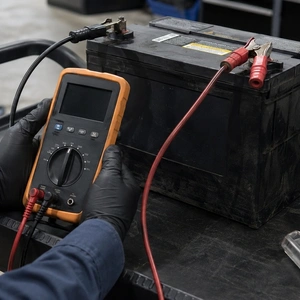
Our diagnostic protocols include a full continuity check of electrical circuits powering reefer control modules and relays. We map out power supply paths, inspect battery health, test alternator output, and validate voltage consistency under operational loads to rule out intermittent faults.

Benefits of predictive diagnostics for fleet uptime

By identifying issues before they escalate, predictive diagnostics reduce emergency service calls, preserve cargo integrity, and extend equipment lifespan. This proactive approach improves on-time delivery metrics, streamlines dispatch decision-making, and lowers total cost of ownership.

Mobile r‑452a top off and refrigerant monitoring

Pressure imbalances in reefer units may point to refrigerant loss from micro-leaks. Our team cross-verifies sensor readings with gauge data to confirm refrigerant levels, perform on site freon leak fix, and execute mobile r‑452a top off procedures with DOT-approved refilling protocols.

Data-driven service recommendations

Technicians provide detailed reports outlining discovered risks, component aging trends, and suggested timelines for valve core replacement or filter maintenance. This supports fleet managers in scheduling optimal service windows without disrupting route commitments.

When predictive diagnostics are most critical

This service is ideal before long-haul trips, during pre-departure checks, or after system alerts that don’t resolve with standard resets. It is especially effective for reefer units nearing mid-life usage or operating in fluctuating ambient conditions that stress sensors and electronics.

Mobile capabilities for real-time insights

Unlike traditional shop diagnostics, our mobile systems provide real-time insights at the point of failure or suspicion. This enables immediate corrective actions, such as sensor recalibration, circuit fault correction, or targeted maintenance to keep refrigeration uninterrupted.

Reefer downtime prevention starts with early detection

Most breakdowns result from ignored signals, minor drifts, or overlooked wear. Our predictive mobile diagnostics capture and interpret these early signs, preventing escalations and ensuring temperature stability from pickup to delivery, even on complex multi-stop routes.

Custom diagnostics for different reefer platforms

Each reefer model has specific diagnostic ports, sensor behaviors, and failure patterns. Our certified technicians adapt protocols for different firmware versions and controller types, ensuring accurate diagnostics without false positives or non-applicable test steps.

Battery and alternator load testing integration

Low voltage is a leading cause of reefer shutdowns. During diagnostics, we perform real-time battery voltage tracking, starter load tests, and alternator curve analysis to verify that electrical supply matches operational demand during compressor load cycles.

Seamless reporting for fleet oversight

Post-diagnostic data is formatted into service-ready reports that can be integrated into fleet management platforms. This allows managers to identify systemic issues across assets, monitor service quality, and benchmark reefer unit performance over time.

Minimize operational risk by scheduling predictive reefer diagnostics on your terms. We bring certified tools, expert insight, and actionable data directly to your fleet’s location — keeping your cold chain moving without unexpected failures.

Mobile Capabilities for Real Time Insights

Unlike traditional shop diagnostics, our mobile systems provide real-time insights at the point of failure or suspicion. This enables immediate corrective actions, such as sensor recalibration, circuit fault correction, or targeted maintenance to keep refrigeration uninterrupted.

Electrical Mapping and System Continuity Check

Our diagnostic protocols include a full continuity check of electrical circuits powering reefer control modules and relays. We map out power supply paths, inspect battery health, test alternator output, and validate voltage consistency under operational loads to rule out intermittent faults.

Sensor Calibration to Prevent False Alarms

Temperature, pressure, and airflow sensors can drift over time, producing misleading data and triggering unnecessary alarms. Our technicians perform mobile calibration services using certified instruments, ensuring that sensor output aligns with manufacturer benchmarks under real load conditions.

On Site Vibration Analysis and Failure Prediction

We utilize vibration analysis to assess compressor health, detect misalignment, and anticipate mechanical wear. Data collected from motor bearings and mounts helps us identify anomalies that lead to heat buildup or power spikes, often before they trigger an alarm or system fault.

Predictive Field Diagnostics Questions for Fleet Refrigeration Assets

How does a predictive check differ from a fault-driven service visit?

It happens while the unit still works. The purpose is to measure condition against a known baseline and identify drift, rather than to explain a failure that has already occurred. That changes what gets measured: trends across visits matter more than any single reading taken on the day.

What indicators are worth measuring before anything has failed?

Compressor and drive vibration against previous readings, sensor accuracy compared with reference instruments, alternator output and voltage stability under load, airflow across both coils, and pull-down and recovery timing under a realistic setpoint. Each of those degrades gradually and shows movement long before an alarm appears.

When does sensor drift start causing problems that look like equipment faults?

As soon as the controller begins acting on inaccurate input. A temperature or pressure sensor reading slightly wrong will produce nuisance alarms, unnecessary defrost cycles, or a unit holding the wrong condition while reporting the right one. Calibration against a reference is what separates a control problem from a mechanical one.

Do all assets benefit equally from predictive attention?

No, and spreading the effort evenly wastes it. Units with a history of repeat alarms, those carrying the most sensitive freight, assets on the heaviest duty cycles, and any unit the fleet has already started watching more closely are where the measurement pays. A stable asset on light duty rarely rewards the same attention.

Which outcomes should predictive diagnostics not be expected to deliver?

It reduces surprise rather than removing failure. Sudden faults, physical damage, and component defects still occur with no preceding trend to catch. What the work produces is a prioritised picture of condition and a schedule for correction, which is useful precisely because it is explicit about what has been measured and what has not.

Mobile Reefer Repair Near Me in Illinois

A nearby mobile reefer call starts with exact location, unit identity, temperature trend, load status and safe access—not a promised arrival time.

Emergency Reefer Repair Without Towing

A field-first response can avoid unnecessary towing when the location and repair scope allow it; unsafe or shop-dependent work still requires relocation.

24-Hour Mobile Reefer Service in Illinois

After-hours reefer response is routed by exact location, safe access, unit condition and current technician availability; no fixed ETA is implied.

Mobile Carrier and Thermo King Reefer Repair

Mobile service begins with make, model, controller, symptom and operating context so Carrier and Thermo King units follow the correct diagnostic path.

Roadside Reefer Alarm-Code Diagnostics

A roadside alarm code is evidence for triage, not a guaranteed diagnosis; safe access and direct checks determine whether the work stays in the field.

Roadside Reefer Refrigerant Leak Diagnosis

Refrigerant loss is diagnosed before charging; leak location, repairability, unit identification and worksite safety determine the correct service path.

Mobile Reefer Electrical and Battery Diagnostics

Field electrical diagnosis separates battery condition, connections, charging, control power and starting-circuit evidence before parts are replaced.

Industrial Corridor Mobile Repair Response Times and Coverage

Timely service coverage matters when every mile counts. Explore how mobile support across industrial routes minimizes delivery risks, cuts response delays, and keeps your fleet on schedule — wherever the cargo needs to go.

Mobile Load Transfer and Trailer Recovery for Failed Reefers

When refrigerated transport fails on the road, every minute matters. Learn how specialized mobile teams handle emergency load transfers and trailer recovery to safeguard your cargo and minimize costly delays.

Reefer Repair Along I-55 in Illinois

A reefer failure on I-55 needs a usable location, safe work position and accurate unit information before field service begins. Illinois corridor support is planned around access, fault evidence and repair conditions at the trailer.

Reefer Repair Along I-80 in Illinois

I-80 reefer service calls can begin on a rural stretch, at a truck stop or inside the busy Joliet freight corridor. Exact east-west position, equipment identity and safe access determine how the Illinois repair visit is planned.

Reefer Repair Along I-90 and I-94 in Illinois

Illinois I-90 and I-94 calls cross tollway, suburban interchange and urban expressway conditions. The exact route branch, direction, parking position and reefer identity determine how service is coordinated.

Truck Stop Reefer Repair for Thermo King and Carrier Units

A truck stop can provide a safer alternative to an interstate shoulder, but it remains shared property. Parking position, site rules and clearance around the trailer front wall must be confirmed before mobile reefer work begins.

Loading Dock Reefer Repair for Thermo King and Carrier Units

A reefer failure at a loading dock affects the unit, trailer position and facility schedule. Mobile work starts only after the responsible parties confirm access, movement authority and a safe working area.

Fleet Yard Reefer Repair and Service

Corrective reefer repair at Illinois fleet yards, organized around an exact trailer list, safe access, unit-by-unit diagnosis and a clear status handoff.

Reefer Repair at Warehouses and Distribution Centers

Corrective service for trailer refrigeration units on warehouse and distribution-center property, coordinated with access rules, trailer movement and facility operations.

Call us: (312) 680 4033