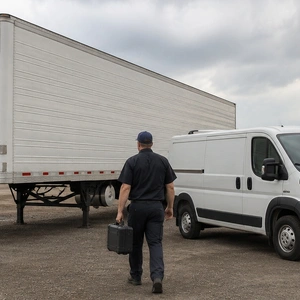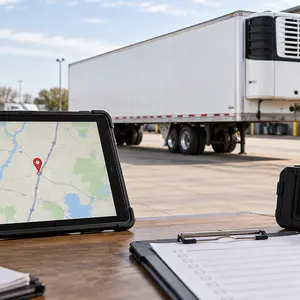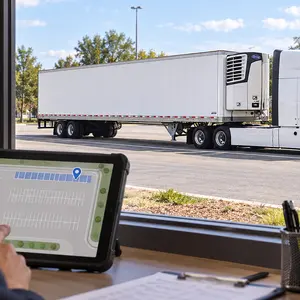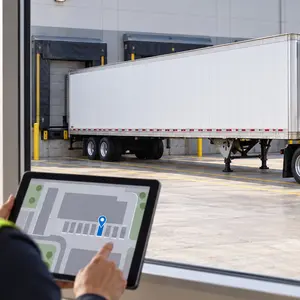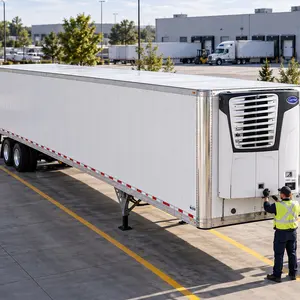


A search for mobile reefer repair near me usually begins after a trailer or refrigerated truck has already developed a temperature, shutdown, starting, electrical, or alarm concern. The useful next step is not a generic promise about arrival time. Dispatch needs the exact location, a safe work position, the installed unit, the current temperature trend, load status, and the behavior that caused the call.
Mobile reefer service is available for accessible locations across Illinois, including safe roadside stops, truck stops, loading docks, warehouses, and fleet yards. Indiana and other out-of-state fleet work can be arranged when travel and scope are confirmed. Availability and ETA depend on the live call, technician position, traffic, access, and the service required.
What to Send With a Mobile Reefer Request
- Exact address, mile marker, facility entrance, or shared map location.
- Whether the trailer is in a safe parking position and can be accessed around the unit.
- Thermo King or Carrier make, model, controller, and serial information when available.
- Setpoint, displayed temperature, observed trend, and whether the trailer is loaded.
- Active and recent alarms before they are cleared.
- Whether the unit has no power, does not crank, cranks without starting, shuts down, cycles, or runs without adequate cooling.
- Recent repairs and whether the same condition has returned.
These details let dispatch route a temperature-control emergency differently from an intermittent fault that can be evaluated without immediate cargo risk. They also reduce the chance that a brand-specific complaint is booked as a generic road call.
Field Diagnosis Begins With the Symptom Path
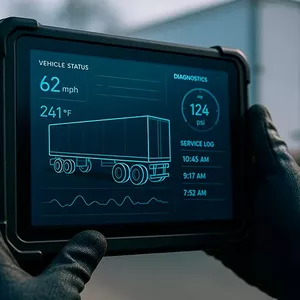
A technician first verifies the complaint and the current operating state. A blank controller, a no-crank condition, normal cranking without start, a hard shutdown, weak pull-down, and temperature drift lead to different checks. Alarm codes are preserved as evidence and interpreted with the unit’s behavior rather than used as automatic parts instructions.
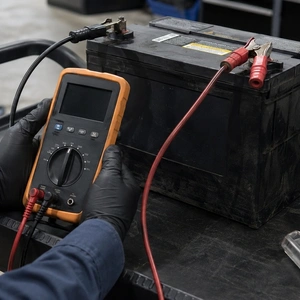
Depending on the symptom, the field assessment may include accessible power and connection checks, starting and charging evidence, fuel delivery indications, belts and drives, airflow and heat-exchanger condition, sensor plausibility, visible leak evidence, and controller history. The work remains specific to the installed platform and safe field access.
What Can Be Completed On Site
Some failures can be corrected where the trailer is parked. Examples include an accessible connection fault, a confirmed serviceable starting or charging component, a belt or sensor within field scope, or another repair that can be installed and verified safely. The part decision follows diagnosis and fitment confirmation; no service van can be assumed to carry every component for every unit.
A mobile visit may also stabilize the situation and define the next move without completing a permanent repair. That can mean documenting the fault, establishing whether the unit can continue under monitoring, coordinating a shop visit, or advising the fleet that cargo and equipment decisions are required. Cargo disposition remains the responsibility of the fleet, shipper, receiver, and other authorized parties.
When the Unit Needs the Shop
Shop escalation is appropriate when the location is unsafe, the repair requires recovery or major disassembly, extended runtime is needed to reproduce the complaint, component access is inadequate, or the field test cannot verify the result. A field-first call does not guarantee that towing, relocation, or a later shop visit will be unnecessary.
The mobile record should follow the unit to the shop. Alarm history, measurements, observed behavior, temporary corrections, and open questions keep the controlled diagnostic visit from starting with an empty file.
Illinois Coverage Is More Useful Than a False “Nearest” Claim
The service area covers Illinois, with much of the work connected to Chicago-area freight activity and interstate routes. The closest available technician is determined only after the location and current dispatch load are known. A page cannot establish a fixed arrival time for every shoulder, dock, or yard.
For planned fleet work outside Illinois, the company may send technicians by agreement. That arrangement is different from a local emergency-response promise and should be confirmed before scheduling.
Verify the Result Before the Call Closes
After field work, the technician checks the operating sequence relevant to the original complaint and records what was observed. One successful start or a cleared alarm is not proof that an intermittent fault is resolved. If the available verification is limited, the report should state the limitation and the next required check.
The best mobile outcome is a clear operational decision supported by evidence: field repair completed and verified, temporary stabilization with defined monitoring, or controlled escalation to the shop.