Transport Refrigeration Chicagoland

Mobile Carrier and Thermo King Reefer Repair

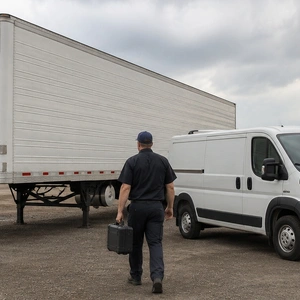
Mobile service begins with make, model, controller, symptom and operating context so Carrier and Thermo King units follow the correct diagnostic path.

Carrier & Thermo KingReefer · TRU · APU service
EPA 608 Type II CertifiedRecovery & recharge
Licensed & InsuredCOI & additional insured
24/7 Illinois-Wide RoadsideEvery major freight corridor
Carrier Controller and Alarm Diagnosis

Carrier Controller and Alarm Diagnosis

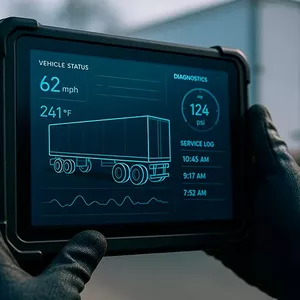
Carrier controller history, active alarms, sensor feedback, and operating state are reviewed with tools and service logic appropriate to the unit.

Thermo King SR Controller Evaluation

Thermo King SR Controller Evaluation

We interpret Thermo King SR events in the context of power, engine, refrigeration, and control behavior instead of treating the displayed code as the whole diagnosis.

Brand Matched Electrical Testing

Brand Matched Electrical Testing

Connectors, power feeds, communication circuits, and component commands are tested against the correct Carrier or Thermo King platform.

Model Specific Sensor and Actuator Service

Model Specific Sensor and Actuator Service

Sensor accuracy and actuator response are checked using the model configuration so a replacement decision is based on confirmed behavior.

Compatible Component Installation

Compatible Component Installation

Field replaceable controls, relays, sensors, and electrical parts are matched to the identified unit before installation and functional testing.

Brand Specific Repair Documentation

Brand Specific Repair Documentation

The closeout identifies the platform, alarms, test results, installed components, cleared faults, and remaining recommendations for the fleet record.

A Mixed-Brand Fleet Needs Precise Unit Intake

Record the manufacturer, model, controller, and failed function for each trailer. Similar symptoms across Carrier and Thermo King equipment do not establish a shared component or identical troubleshooting path.

Thermo King Codes in Their Own Controller Context

Use the complete SR event and the applicable Thermo King information. A reported code number should not be converted into an actuator, fuel, or controller repair without confirming what it means on that unit.

Carrier Mobile Diagnosis with Correct Control Data

Match APX or Advance information to the installed Carrier system. Thermo King SR references and model names cannot establish Carrier alarm meaning or justify a component replacement.

Field Repairs After the Fault Is Confirmed

Accessible electrical, starting, charging, belt, or sensor findings may support on-site work. The actual component, safe access, and required test determine suitability rather than a universal list of mobile fixes.

Carrier Transicold and Thermo King transport refrigeration units should be identified by make, model, controller family, configuration, and symptom before a mobile job is scoped. Brand-specific knowledge matters because the controls, code meanings, service procedures, fitment, and verification steps can differ. That does not justify unsupported claims about certification, warranty status, stocked parts, or first-visit success.

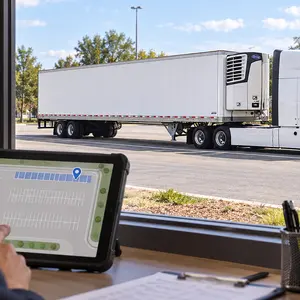
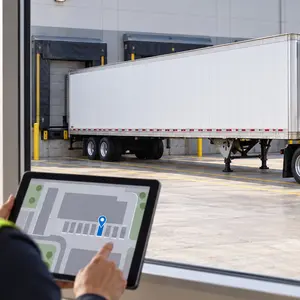
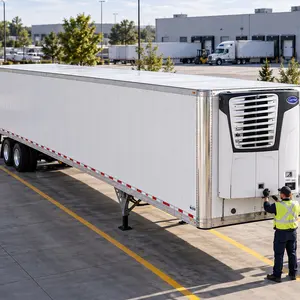
Mobile service is provided at suitable Illinois roadside stops, docks, warehouses, and fleet yards. The immediate goal is to establish the operating condition, protect useful diagnostic evidence, and choose the repair setting that fits the confirmed fault.

Carrier Mobile Reefer Service

Carrier calls should include the platform and controller information when available, along with active and recent alarms and the exact behavior that prompted service. X4 and Vector applications, single-temperature and multi-temperature configurations, and different controller generations cannot be treated as interchangeable.

Field checks may address accessible controller power, starting and charging behavior, fuel delivery evidence, belts and drives, sensors, airflow, heat-exchanger condition, defrost behavior, and visible refrigerant-circuit concerns. The diagnostic path follows the reported symptom and the installed system rather than a generic code-reset routine.

Thermo King Mobile Reefer Service

Thermo King intake should likewise identify the actual platform, such as Precedent, Advancer, e1000, SL Series, or another installed unit. Controller history and alarm information are matched to whether the complaint is no power, no start, shutdown, unstable cycling, weak pull-down, temperature drift, or defrost-related behavior.

Service procedures and component decisions remain unit-specific. A code reported by a driver does not prove the failed part, and a cleared alarm does not prove that the underlying condition is gone. Direct evidence and a relevant post-work operating check are required.

Brand Identification Improves Dispatch Preparation

Accurate identification helps the service team prepare suitable diagnostic equipment, references, and likely service materials. It also shows when the complaint belongs to a specialized branch, such as Carrier alarm diagnostics, Thermo King controller diagnostics, a platform page, preventive maintenance, or a controlled shop visit.

Preparation is not a promise that every part is on the arriving vehicle. Stock, fitment, supplier status, and repair eligibility are separate checks. The technician confirms the failure before a component is ordered or installed.

What Mobile Brand Service Can Complete

A safe and accessible field site may support diagnosis and correction of an external connection, battery, starting, charging, belt, sensor, fuel-supply, or another confirmed serviceable concern. More involved work may also be possible when the required equipment, access, part, and verification are available.

Major disassembly, recovery work, difficult component access, repeat intermittent failures, and complaints that need extended controlled runtime often belong in the shop. The mobile technician should document the evidence and escalation path instead of forcing a field completion that cannot be verified.

Alarm Codes Are Evidence, Not Repair Orders

Record the complete code as displayed, whether it is active or historical, when it appeared, and what the unit was doing at the time. Similar numbers or labels across platforms should not be assumed to mean the same thing. The controller family and applicable technical information govern interpretation.

Do not repeatedly clear codes before service. A restart may be needed as part of an authorized diagnostic procedure, but indiscriminate resets can erase the sequence that separates a power interruption from a sensor, fuel, control, airflow, or mechanical condition.

Documentation Has Defined Limits

A service record can list identification, alarms, measurements, findings, work performed, installed parts, and verification. Whether that record satisfies a manufacturer warranty, lessor, customer, insurer, or regulatory requirement depends on the applicable agreement and responsible party. The page does not promise warranty preservation or certification status.

If a fleet requires a particular authorization, credential, parts policy, or document format, confirm that requirement before dispatch. It should be handled as an explicit service condition, not assumed from broad marketing language.

Illinois Service and Planned Fleet Assignments

Illinois is the primary service area. Calls are routed from the actual location and current availability; no fixed ETA applies to every corridor or facility. Fleet work in Indiana or another state may be arranged when travel and scope are confirmed in advance.

Release by Evidence

The unit is checked through the operating behavior relevant to the original complaint. The report states the conditions and duration available, cleared and remaining alarms, work completed, and any unresolved limitation. A successful start or temporary temperature change is not presented as proof of a permanent correction when the fault requires longer observation.

Brand-specific mobile service is therefore a routing and diagnostic discipline: identify the platform, preserve the history, confirm the fault, perform only suitable field work, and move the unit to controlled service when that is the defensible next step.

Related Reefer Service Resources

Separating Unit Families from Controller Names

SB identifies a Thermo King equipment family, while SR names controller generations. Keeping those details separate in fleet records helps prevent incorrect manuals or parts from being assigned to a call.

Brand-Specific Fitment Before a Mobile Replacement

Use the installed part and unit identification to check compatibility. Working with both brands does not imply factory authorization or permit a similar-looking Carrier and Thermo King component to be interchanged.

Mixed-Fleet Dispatch Notes for a Mobile Visit

Provide the location, access contact, unit details, and operating complaint together. That information supports planning without claiming a success percentage, fixed ETA, or guaranteed repair outcome.

A Verification Record for Either Reefer Brand

Document the original symptom, confirmed findings, correction, and conditions observed afterward. Unresolved behavior should remain open even if the unit restarts and the display clears during the visit.

Platform-Matched Mobile Service Questions for Carrier and Thermo King Units

Why does the platform on the trailer change who should attend the call?

Because the two manufacturers use different control architectures, different event logic, and different diagnostic interfaces. A technician working from familiarity with one platform reads the other's messages against the wrong logic. That is how units get incorrect resets, cleared history, and a diagnosis that fits a different machine.

What should be verified at the call stage before a vehicle is dispatched?

The manufacturer, the platform family, and the controller generation where it is known, along with the unit identifier. Those three determine which diagnostic interface and which spares the vehicle needs to carry. Confirming them during the call is considerably cheaper than discovering a mismatch after arrival.

Does clearing an event before identifying the platform carry a risk?

Yes, it can discard the only evidence of what happened. Event history is stored differently across control generations, and an incorrect procedure can wipe the log that would have shown whether this was a first occurrence or a repeat. Once cleared, the case restarts from the driver description rather than from the unit record.

Which kinds of work benefit most from platform-matched attendance?

Control and communication faults, intermittent shutdowns, and anything where the presenting message is ambiguous. Purely mechanical items such as belts, batteries, and fuel filters transfer more easily between platforms. The further the fault sits into the control environment, the more platform familiarity determines whether the first visit resolves it.

Where does platform expertise stop being the deciding factor?

At the physical constraints of the position. No amount of familiarity makes a fault reproducible when it needs extended runtime, and none makes a roadside stop safe enough for deep tracing. Platform matching improves the quality of the decision made on site; it does not extend what can be done there.

Mobile Reefer Repair Near Me in Illinois

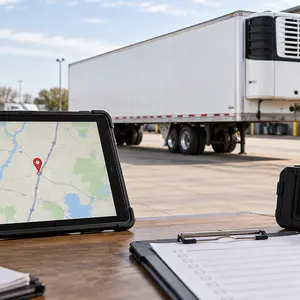
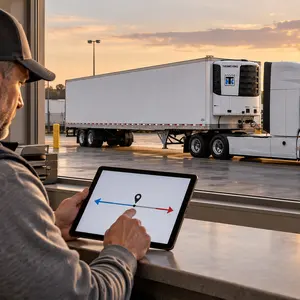
A nearby mobile reefer call starts with exact location, unit identity, temperature trend, load status and safe access—not a promised arrival time.

Emergency Reefer Repair Without Towing

A field-first response can avoid unnecessary towing when the location and repair scope allow it; unsafe or shop-dependent work still requires relocation.

24-Hour Mobile Reefer Service in Illinois

After-hours reefer response is routed by exact location, safe access, unit condition and current technician availability; no fixed ETA is implied.

Roadside Reefer Alarm-Code Diagnostics

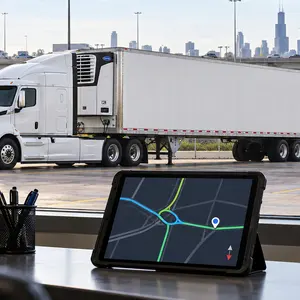
A roadside alarm code is evidence for triage, not a guaranteed diagnosis; safe access and direct checks determine whether the work stays in the field.

Roadside Reefer Refrigerant Leak Diagnosis

Refrigerant loss is diagnosed before charging; leak location, repairability, unit identification and worksite safety determine the correct service path.

Mobile Reefer Electrical and Battery Diagnostics

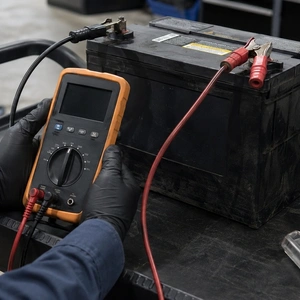
Field electrical diagnosis separates battery condition, connections, charging, control power and starting-circuit evidence before parts are replaced.

Predictive Mobile Diagnostics to Prevent Reefer Downtime

Avoid costly delays with real-time fault detection and field-ready mobile diagnostics. Discover how predictive service strategies reduce breakdown risks and keep your reefer fleet running without interruptions.

Industrial Corridor Mobile Repair Response Times and Coverage

Timely service coverage matters when every mile counts. Explore how mobile support across industrial routes minimizes delivery risks, cuts response delays, and keeps your fleet on schedule — wherever the cargo needs to go.

Mobile Load Transfer and Trailer Recovery for Failed Reefers

When refrigerated transport fails on the road, every minute matters. Learn how specialized mobile teams handle emergency load transfers and trailer recovery to safeguard your cargo and minimize costly delays.

Reefer Repair Along I-55 in Illinois

A reefer failure on I-55 needs a usable location, safe work position and accurate unit information before field service begins. Illinois corridor support is planned around access, fault evidence and repair conditions at the trailer.

Reefer Repair Along I-80 in Illinois

I-80 reefer service calls can begin on a rural stretch, at a truck stop or inside the busy Joliet freight corridor. Exact east-west position, equipment identity and safe access determine how the Illinois repair visit is planned.

Reefer Repair Along I-90 and I-94 in Illinois

Illinois I-90 and I-94 calls cross tollway, suburban interchange and urban expressway conditions. The exact route branch, direction, parking position and reefer identity determine how service is coordinated.

Truck Stop Reefer Repair for Thermo King and Carrier Units

A truck stop can provide a safer alternative to an interstate shoulder, but it remains shared property. Parking position, site rules and clearance around the trailer front wall must be confirmed before mobile reefer work begins.

Loading Dock Reefer Repair for Thermo King and Carrier Units

A reefer failure at a loading dock affects the unit, trailer position and facility schedule. Mobile work starts only after the responsible parties confirm access, movement authority and a safe working area.

Fleet Yard Reefer Repair and Service

Corrective reefer repair at Illinois fleet yards, organized around an exact trailer list, safe access, unit-by-unit diagnosis and a clear status handoff.

Reefer Repair at Warehouses and Distribution Centers

Corrective service for trailer refrigeration units on warehouse and distribution-center property, coordinated with access rules, trailer movement and facility operations.

Call us: (312) 680 4033