Transport Refrigeration Chicagoland

Loading Dock Reefer Repair for Thermo King and Carrier Units

A reefer failure at a loading dock affects the unit, trailer position and facility schedule. Mobile work starts only after the responsible parties confirm access, movement authority and a safe working area.

Carrier & Thermo KingReefer · TRU · APU service
EPA 608 Type II CertifiedRecovery & recharge
Licensed & InsuredCOI & additional insured
24/7 Illinois-Wide RoadsideEvery major freight corridor
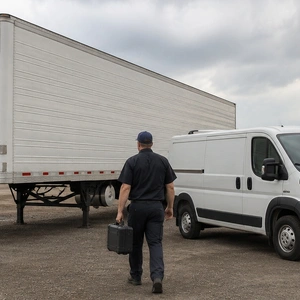
Dock Location and Entry

Dock Location and Entry

Truck entrance, gate procedure, dock number, staging position and an on-site contact establish the correct service destination.

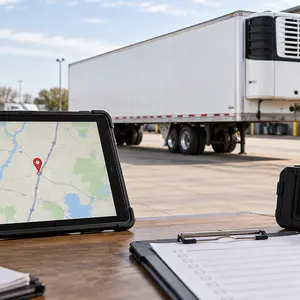
Trailer Movement Authority

Trailer Movement Authority

The fleet and facility identify who may release restraints, pause loading or authorize movement before the technician acts.

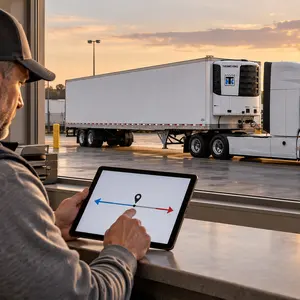
Front-Wall Access Check

Front-Wall Access Check

Tractor position, barriers, neighboring equipment and dock traffic are checked for safe access to the refrigeration unit.

Door and Temperature History

Door and Temperature History

Loading state, door-open time, setpoint, last stable reading and current trend preserve the operating context.

Thermo King / Carrier Intake

Thermo King / Carrier Intake

Model, serial, controller, alarm evidence and operating pattern direct platform-specific inspection without guessing parts.

Documented Dock Handoff

Documented Dock Handoff

The final record aligns the driver, fleet and facility on the finding, work, test result and any follow-up restriction.

Locate the Correct Dock Entrance

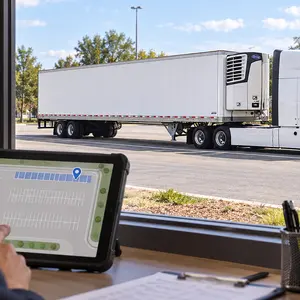
The facility address, truck entrance, gate instruction, dock number and on-site contact guide the service vehicle to the actual trailer.

Confirm Movement Authority

Fleet and facility contacts establish who may release a dock lock, pause loading or move the trailer into a service position.

Show Front-Wall Working Clearance

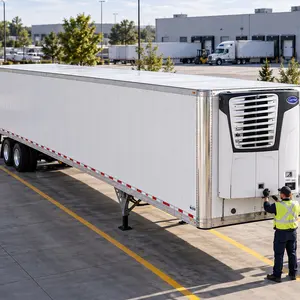
A wide view records the tractor, neighboring trailers, barriers and the space available around the front-mounted refrigeration unit.

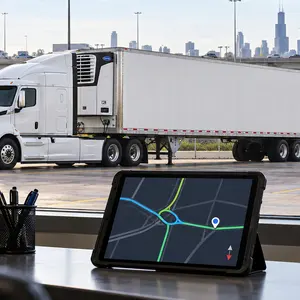
Separate Service from Dock Traffic

Forklifts, pedestrians, yard tractors and loading activity remain outside the approved work boundary while the reefer unit is inspected.

A loading-dock refrigeration failure also creates a site-coordination problem. The trailer may be backed tightly against the building, attached to a tractor, held for loading or placed where forklifts and yard tractors move nearby. Before a technician can inspect the front-wall unit, the facility and fleet need to establish who controls the trailer and where work can occur.

Ustarshah coordinates mobile service for Thermo King and Carrier trailer refrigeration units at active loading locations throughout Illinois. The work concerns the transport refrigeration unit, not the warehouse's building refrigeration, dock leveler or overhead door. Every request therefore depends on facility permission, a safe service position, technician availability and the fault actually confirmed at the trailer.

Identify the facility entrance and dock position

Send the complete street address, facility name, truck entrance and a location pin. Add the dock number, yard row or staging area and explain whether the trailer is backed to a door or waiting nearby. Large distribution properties may have separate entrances for employees, deliveries and service vendors.

A pin at the center of the building does not show the truck route through the property. Include gate instructions and a reachable on-site contact who can guide the service vehicle from the approved entrance to the trailer. Update dispatch if the trailer changes doors.

Establish who can authorize trailer movement

The technician does not decide whether a loaded or assigned trailer should leave a dock. The driver, fleet dispatcher and facility representative must identify who can authorize movement, disconnect from loading operations or place the trailer in a service position. Record that contact before travel begins.

Do not move the trailer merely to make the repair easier without approval. Dock locks, wheel restraints, loading status and site traffic rules remain under the responsible facility and fleet procedures. The repair visit begins after those controls are addressed by authorized personnel.

A docked trailer may block access to the reefer unit

Thermo King and Carrier trailer units sit on the front wall above the tractor frame. When the trailer is tightly docked, the rear of the trailer is occupied by loading activity while the front may be constrained by the tractor, a yard tractor, another trailer, a fence or building equipment. Send a wide photograph of the full front area.

Dispatch needs to know whether the tractor remains attached and whether the unit can be approached from both front corners. A photograph of only the controller is not enough. Clearance determines whether ordinary exterior inspection is possible or whether the trailer must be moved to a protected service space.

Separate the repair boundary from dock operations

Forklift paths, pedestrian lanes, dock approaches and yard-tractor routes should remain outside the work boundary. The facility may need to pause activity at one position or direct the technician to a nearby staging area. Cones do not replace the property's traffic-control decision.

The technician services the trailer refrigeration unit and documents its operating result. Warehouse cooling equipment, dock hardware, building electrical systems and product-handling operations are separate scopes. A problem reported while the trailer is at a dock does not make every nearby system part of the reefer repair.

Record loading and door history

Temperature behavior at a dock cannot be interpreted from one display reading alone. Report whether the rear doors were open, how long loading or unloading continued, whether the unit was running and when the temperature began to move. Add the setpoint and last known stable reading.

Warm or humid air entering during repeated door openings can affect the observed trend, but that history does not dismiss a real unit fault. It tells the technician which conditions surrounded the complaint. Measurements and operating behavior at the unit still determine the service path.

Preserve controller and alarm evidence

Photograph the controller before clearing alarms or cycling power. Capture the current operating state, alarm indication and displayed temperature, then report whether the unit runs continuously, attempts to start, shuts down or remains unresponsive. Note every restart already attempted.

A reset can change the sequence available for diagnosis. Stop adding variables after the initial evidence is saved. Smoke, leaking fuel, burning odor or another immediate hazard takes priority and should be handled through the facility's safety process.

Use exact Thermo King or Carrier identification

Send the manufacturer, model, serial number, controller family and trailer asset number. Thermo King and Carrier platforms use different controller logic, alarm definitions and parts. Similar operating symptoms do not justify selecting a component before the unit is identified and tested.

Provide one full exterior view and one clear data-plate image. The wide view records installation and access; the plate supports technical information and parts matching. Drivers and warehouse staff should leave service panels closed during intake.

Field repair depends on the confirmed fault and site

At an approved dock or staging position, a technician can inspect accessible systems, review alarm history and take measurements related to the complaint. Some electrical, starting, fuel, control, sensor or airflow faults may be corrected on site when conditions, tools and the confirmed replacement part allow.

Sealed-system contamination concerns, major component access, fabrication or an intermittent failure needing extended supervised operation may require a shop. The mobile visit can still identify the next work scope and document the unit's current condition. A dock appointment does not guarantee that every repair will finish at the door.

Loading schedules do not replace repair verification

A shipping deadline can define urgency, but it cannot shorten the test needed for the original complaint. A no-start correction may require repeated starts and charging checks. A cooling complaint needs enough observation to evaluate inputs, airflow and temperature movement.

The fleet and facility decide whether loading continues, pauses or moves to another trailer. After testing, the technician reports the refrigeration unit's observed response and explains any remaining operating limitation to the designated contact. This separation keeps the repair record distinct from cargo-handling and scheduling decisions.

Document the handoff before the trailer leaves

The closeout identifies the reported problem, evidence reviewed, confirmed finding, work performed and final operating check. It also states whether the result is complete, temporary or waiting for additional work. The driver and fleet dispatcher should receive the same status.

If the trailer returns to a dock, record who accepted the handoff and whether the unit remained under observation. If it leaves the property, the responsible fleet party decides the next movement. Reefer service does not certify cargo condition or replace the shipper's records.

Loading dock reefer service checklist

  • Facility: name, full address, truck entrance, gate rule and location pin.
  • Trailer position: exact dock number and tractor attachment state.
  • Authority: named fleet and facility contacts who can approve access, interrupt loading operations and authorize trailer movement.
  • Work area: front-wall clearance and active traffic paths.
  • Unit: Thermo King or Carrier, exact model, serial number, controller family, trailer asset ID and a readable data-plate photograph.
  • Temperature history: setpoint, trend, loading state and door-open time.
  • Fault history: saved alarm evidence, event time, observed operating state, every attempted restart and relevant recent service.

Collect these details after the vehicle is secure and without entering an active loading path. They let dispatch distinguish equipment work from property coordination before the technician arrives.

Illinois coverage and planned fleet work

Illinois is the primary area for loading dock reefer calls. Every request is evaluated against the actual property, access requirements, safe work position and technician availability. No identical arrival time is promised across the state.

Planned assignments for fleets at facilities in nearby states may be arranged when travel, site access and work scope are agreed in advance. They are scheduled fleet visits, not automatic emergency coverage outside Illinois.

Chicago-area docks and distribution facilities elsewhere in Illinois may impose different gate, escort and trailer-movement requirements.

Related Loading Dock Reefer Repair Service Pages

Record Door and Loading History

Setpoint, temperature trend, rear-door time and loading state explain the conditions surrounding a dockside cooling complaint.

Preserve Controller and Unit Evidence

Alarm state, operating pattern, exact model, serial number and exterior views keep testing tied to the correct Thermo King or Carrier unit.

Define the Repair Location

Testing determines whether the confirmed work can finish at the approved dock position or needs parts, staging space or a shop.

Complete a Shared Handoff

The closeout gives the driver, fleet and facility the same finding, completed work, operating result and remaining limitation.

Loading Dock Reefer Service Questions for Illinois Fleets

What location details are needed for reefer repair at a loading dock?

Send the facility name, full address, truck entrance, gate instructions, dock number or staging position and a location pin. Include an on-site contact who can guide the service vehicle after entry. For a Chicago-area or other Illinois facility, a street address alone may not identify the receiving gate or the safe front-wall service position.

Can the reefer technician move a trailer away from the dock?

Trailer movement must be authorized by the responsible fleet and facility contacts. Dock locks, wheel restraints, loading status and site traffic procedures are handled by authorized personnel before the repair position changes. The technician records the authorized position and any access limit; moving the trailer is not part of an assumed refrigeration repair action.

Does loading dock reefer service include warehouse refrigeration or dock equipment?

No. The service scope is the trailer-mounted Thermo King or Carrier refrigeration unit. Building refrigeration, dock levelers, overhead doors, warehouse electrical systems and product handling are separate responsibilities. Cargo decisions, warehouse operations, and trailer body work also remain outside the transport refrigeration unit repair described on this page.

Why are rear-door and loading details important for a cooling complaint?

Door-open time, loading activity, setpoint and the temperature trend describe the conditions surrounding the complaint. They help select relevant tests but do not replace measurements or prove which component failed. Record which doors were open and for how long, because a loading event can affect recovery without identifying the cause of persistent drift.

Will every reefer repair be completed while the trailer remains at the dock?

No. Accessible faults may be corrected when the site, tools and parts allow. Other work may require a staging area, a specific component, controlled shop access or longer supervised operating tests. Any incomplete work or unverified operating condition should be transferred to the next service record rather than closed as a successful dock repair.

Mobile Reefer Repair Near Me in Illinois

A nearby mobile reefer call starts with exact location, unit identity, temperature trend, load status and safe access—not a promised arrival time.

Emergency Reefer Repair Without Towing

A field-first response can avoid unnecessary towing when the location and repair scope allow it; unsafe or shop-dependent work still requires relocation.

24-Hour Mobile Reefer Service in Illinois

After-hours reefer response is routed by exact location, safe access, unit condition and current technician availability; no fixed ETA is implied.

Mobile Carrier and Thermo King Reefer Repair

Mobile service begins with make, model, controller, symptom and operating context so Carrier and Thermo King units follow the correct diagnostic path.

Roadside Reefer Alarm-Code Diagnostics

A roadside alarm code is evidence for triage, not a guaranteed diagnosis; safe access and direct checks determine whether the work stays in the field.

Roadside Reefer Refrigerant Leak Diagnosis

Refrigerant loss is diagnosed before charging; leak location, repairability, unit identification and worksite safety determine the correct service path.

Mobile Reefer Electrical and Battery Diagnostics

Field electrical diagnosis separates battery condition, connections, charging, control power and starting-circuit evidence before parts are replaced.

Predictive Mobile Diagnostics to Prevent Reefer Downtime

Avoid costly delays with real-time fault detection and field-ready mobile diagnostics. Discover how predictive service strategies reduce breakdown risks and keep your reefer fleet running without interruptions.

Industrial Corridor Mobile Repair Response Times and Coverage

Timely service coverage matters when every mile counts. Explore how mobile support across industrial routes minimizes delivery risks, cuts response delays, and keeps your fleet on schedule — wherever the cargo needs to go.

Mobile Load Transfer and Trailer Recovery for Failed Reefers

When refrigerated transport fails on the road, every minute matters. Learn how specialized mobile teams handle emergency load transfers and trailer recovery to safeguard your cargo and minimize costly delays.

Reefer Repair Along I-55 in Illinois

A reefer failure on I-55 needs a usable location, safe work position and accurate unit information before field service begins. Illinois corridor support is planned around access, fault evidence and repair conditions at the trailer.

Reefer Repair Along I-80 in Illinois

I-80 reefer service calls can begin on a rural stretch, at a truck stop or inside the busy Joliet freight corridor. Exact east-west position, equipment identity and safe access determine how the Illinois repair visit is planned.

Reefer Repair Along I-90 and I-94 in Illinois

Illinois I-90 and I-94 calls cross tollway, suburban interchange and urban expressway conditions. The exact route branch, direction, parking position and reefer identity determine how service is coordinated.

Truck Stop Reefer Repair for Thermo King and Carrier Units

A truck stop can provide a safer alternative to an interstate shoulder, but it remains shared property. Parking position, site rules and clearance around the trailer front wall must be confirmed before mobile reefer work begins.

Fleet Yard Reefer Repair and Service

Corrective reefer repair at Illinois fleet yards, organized around an exact trailer list, safe access, unit-by-unit diagnosis and a clear status handoff.

Reefer Repair at Warehouses and Distribution Centers

Corrective service for trailer refrigeration units on warehouse and distribution-center property, coordinated with access rules, trailer movement and facility operations.

Call us: (312) 680 4033