Transport Refrigeration Chicagoland

24-Hour Mobile Reefer Service in Illinois

After-hours reefer response is routed by exact location, safe access, unit condition and current technician availability; no fixed ETA is implied.

Carrier & Thermo KingReefer · TRU · APU service
EPA 608 Type II CertifiedRecovery & recharge
Licensed & InsuredCOI & additional insured
24/7 Illinois-Wide RoadsideEvery major freight corridor
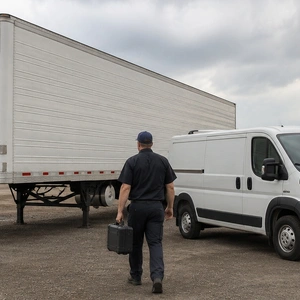
After Hours Reefer Fault Triage

After Hours Reefer Fault Triage

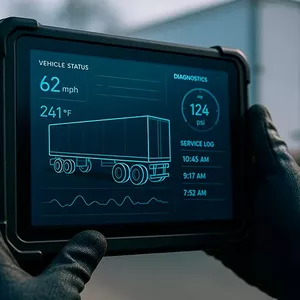
Alarm details, box temperature, unit status, trailer access, and cargo urgency are organized before an off hour mobile repair is routed.

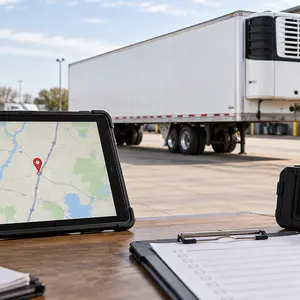
Overnight No Start Diagnosis

Overnight No Start Diagnosis

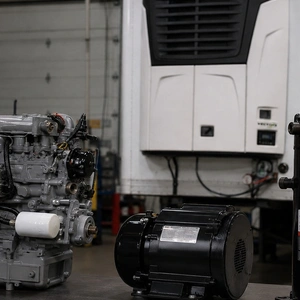
Starting power, fuel delivery, safety inputs, and controller commands are checked when a reefer shuts down after normal shop hours.

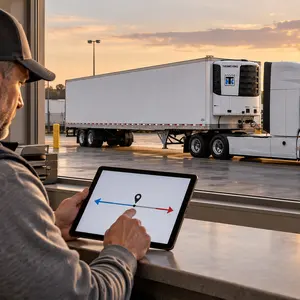
Weekend Electrical Repair

Weekend Electrical Repair

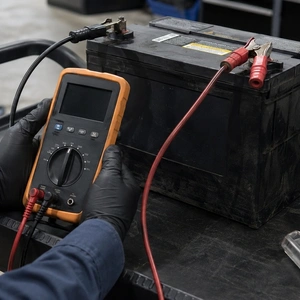
Battery, alternator, fuse, relay, harness, and control circuit faults are serviced on site when weekend operations cannot wait for a weekday bay.

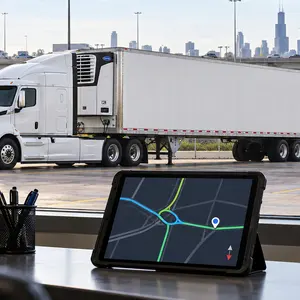
Nighttime Fuel System Recovery

Nighttime Fuel System Recovery

Cold fuel problems, restricted delivery, air intrusion, and related shutdowns are evaluated under the actual conditions that caused the night failure.

Off Hour Cooling Restoration

Off Hour Cooling Restoration

Mechanical, electrical, and refrigerant findings are converted into the safest field repair scope that can restore controlled operation at the trailer.

Early Morning Route Release Test

Early Morning Route Release Test

After the repair, startup consistency, alarm status, temperature movement, and stable operation are verified before the next dispatch decision.

An Overnight Reefer Call with Usable Evidence

Provide the actual symptom and timestamp instead of relying on a generic emergency description. Alarm photographs and temperature history support assessment without inventing a recent success story or an arrival time.

Weekend Reefer Access at a Closed Facility

Confirm who can open the gate and authorize access to the trailer. A facility address is not enough when normal receiving staff are absent or the unit is parked in a restricted area.

Lighting and Work Position for Night Service

The unit must be accessible in conditions suitable for the required task. Darkness, traffic, or limited clearance can change the work plan even when the refrigeration fault appears straightforward.

A Reefer Failure Outside the Dispatcher's Shift

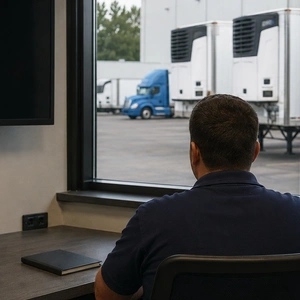
Leave a reachable decision-maker with the driver or facility contact. Unit identity, load status, and the authority to approve the next step should not depend on someone unavailable until morning.

Night and weekend reefer failures require a clear dispatch decision because normal shop access, parts counters, fleet staff, and receiving contacts may be limited. A 24-hour service page can describe how calls are accepted and routed; it cannot promise a fixed arrival time, a specific technician, or completion at every location. Availability depends on the live call, safe access, technician position, traffic, unit information, and the work required.

Information Needed for an After-Hours Dispatch

  • Exact location, direction of travel, facility entrance, and a callback number.
  • Whether the unit is at a safe roadside stop, dock, truck stop, warehouse, or fleet yard.
  • Thermo King or Carrier make, model, controller, and serial information when available.
  • Setpoint, displayed temperature, observed trend, load status, and cargo contact instructions.
  • Active and recent alarms, starting behavior, and the sequence that led to the failure.
  • Any recent repair, temporary correction, or repeated occurrence on the same unit.

Dispatch uses this information to decide whether the call is an active temperature-control emergency, a no-start condition, an electrical concern, an alarm requiring assessment, or a fault that needs controlled shop testing.

After-Hours Service Begins With Safe Access

Low light, traffic exposure, weather, active dock operations, and restricted facilities can change the work that is safe to perform. The driver or site contact should secure an appropriate position and follow applicable roadside or facility procedures. The technician confirms access before opening panels or starting work.

If the location cannot support the required repair, the correct next step may be relocation, towing, or a planned shop visit. “Mobile” does not mean that any procedure can be performed on any shoulder or loading lane.

Triage Temperature Risk Without Making Cargo Promises

Record the temperature evidence and preserve controller history. The fleet, shipper, receiver, insurer, and other authorized parties remain responsible for cargo monitoring, acceptance, transfer, and claim decisions. The service team can report the equipment condition and the available temperature observations but should not promise cargo preservation or regulatory compliance.

When product risk is active, equipment diagnosis and cargo escalation may need to run at the same time. Waiting for a mechanical conclusion before notifying the responsible cargo contacts can consume the decision window.

What a Mobile Technician Evaluates

The first checks follow the symptom. A dead controller, no-crank condition, crank-without-start, hard shutdown, repeat cycling, poor pull-down, and temperature drift are different paths. Alarm codes are read with the make, model, controller history, and operating condition rather than treated as direct instructions to reset or replace a part.

Field assessment may include accessible electrical connections, battery and charging behavior, starting and fuel evidence, belts and drives, airflow and heat-exchanger condition, sensor plausibility, visible leak indications, and controller inputs. The exact scope depends on the installed unit and worksite.

Parts and Completion Depend on Confirmed Scope

A service vehicle carries tools and selected materials, not every component for every Thermo King and Carrier configuration. Part availability and fitment are confirmed after unit identification and diagnosis. If the repair requires a part or procedure that is not available or suitable for the field, the technician documents the next step.

A restart is not automatically a completed repair. The result should be checked through the operating sequence relevant to the original complaint. When an intermittent condition needs more runtime than the site allows, the call closes with a defined monitoring or shop plan.

Illinois Coverage and Out-of-State Fleet Work

Primary service coverage is Illinois, including Chicago-area freight facilities and major routes through the state. Actual response is confirmed for each call. Pages and dispatch notes should not convert corridor names into guaranteed response times.

Work in Indiana or another state may be arranged for a fleet when travel, access, schedule, and scope are agreed in advance. That planned work is distinct from an immediate local emergency claim.

What the After-Hours Record Should Contain

The completed record should identify the unit, location, original complaint, alarm history, measurements and observations, work performed, installed parts if any, verification conditions, and remaining limitations. It should state whether the unit was repaired and verified, temporarily stabilized, released with monitoring, or referred to the shop.

This disciplined handoff is the value of an after-hours response: the fleet receives a supported next decision even when the call cannot end with a permanent field repair.

Related Reefer Service Resources

After-Hours Parts and Repair Scope Checks

Required components and fitment are confirmed for the identified unit. A 24-hour service offer does not mean every part, specialist operation, or shop-dependent procedure is available at every stop.

The Next Action After an Overnight Assessment

The findings may support a field correction or a planned shop visit. Keep the unresolved fault and any testing limitation visible so the day shift does not mistake temporary stabilization for a completed repair.

Night-Shift Reefer Findings for Fleet Maintenance

Save the event history, work performed, and operating observations with the unit number. A clear overnight record lets the maintenance team continue the case without reconstructing it from several phone calls.

Temperature Monitoring During After-Hours Delays

The fleet should retain its available load and temperature records while service is arranged. A waiting period or a later restart does not establish that cargo remained within its required conditions.

Off-Hours Refrigeration Failure Questions for Night and Weekend Freight

Why is a night or weekend failure operationally different from a daytime one?

The support around the unit disappears. Parts counters are closed, in-house maintenance staff are off shift, and the fleet cannot swap a trailer at short notice. The refrigeration unit becomes an isolated failure point, so decisions that would normally be routed through several people fall to the driver and the dispatcher on duty.

What changes about working on a unit in darkness or extreme cold?

Visibility, footing, and equipment behaviour all degrade at once. Portable lighting becomes part of the work rather than a convenience, and cold conditions affect batteries, fuel, and hand tools alike. Those conditions also raise the threshold for what can safely be attempted at a roadside position rather than a lit yard.

Is there anything useful a driver can do while waiting for a technician?

Yes, and most of it protects the diagnosis. Keep doors closed to limit heat gain, record the current box reading against the setpoint, note the exact alarm text and when it appeared, and confirm the trailer sits in a safe and accessible position. Avoid repeated resets, since clearing the event removes the history that speeds up arrival work.

When should an off-hours call be raised rather than left until morning?

As soon as box temperature is moving away from setpoint with product aboard, or the unit has stopped and will not restart. Waiting until the next working day trades a service call for a freight claim. A unit that is holding temperature with a logged warning can usually wait for a planned window.

Which off-hours faults still need to wait for a controlled window?

Anything requiring extended runtime to reproduce, deep electrical tracing, or component work that cannot be verified in the field. Those are stabilised if possible and scheduled properly afterwards. Attempting them under night conditions produces a repair nobody can stand behind and usually a second failure.

Mobile Reefer Repair Near Me in Illinois

A nearby mobile reefer call starts with exact location, unit identity, temperature trend, load status and safe access—not a promised arrival time.

Emergency Reefer Repair Without Towing

A field-first response can avoid unnecessary towing when the location and repair scope allow it; unsafe or shop-dependent work still requires relocation.

Mobile Carrier and Thermo King Reefer Repair

Mobile service begins with make, model, controller, symptom and operating context so Carrier and Thermo King units follow the correct diagnostic path.

Roadside Reefer Alarm-Code Diagnostics

A roadside alarm code is evidence for triage, not a guaranteed diagnosis; safe access and direct checks determine whether the work stays in the field.

Roadside Reefer Refrigerant Leak Diagnosis

Refrigerant loss is diagnosed before charging; leak location, repairability, unit identification and worksite safety determine the correct service path.

Mobile Reefer Electrical and Battery Diagnostics

Field electrical diagnosis separates battery condition, connections, charging, control power and starting-circuit evidence before parts are replaced.

Predictive Mobile Diagnostics to Prevent Reefer Downtime

Avoid costly delays with real-time fault detection and field-ready mobile diagnostics. Discover how predictive service strategies reduce breakdown risks and keep your reefer fleet running without interruptions.

Industrial Corridor Mobile Repair Response Times and Coverage

Timely service coverage matters when every mile counts. Explore how mobile support across industrial routes minimizes delivery risks, cuts response delays, and keeps your fleet on schedule — wherever the cargo needs to go.

Mobile Load Transfer and Trailer Recovery for Failed Reefers

When refrigerated transport fails on the road, every minute matters. Learn how specialized mobile teams handle emergency load transfers and trailer recovery to safeguard your cargo and minimize costly delays.

Reefer Repair Along I-55 in Illinois

A reefer failure on I-55 needs a usable location, safe work position and accurate unit information before field service begins. Illinois corridor support is planned around access, fault evidence and repair conditions at the trailer.

Reefer Repair Along I-80 in Illinois

I-80 reefer service calls can begin on a rural stretch, at a truck stop or inside the busy Joliet freight corridor. Exact east-west position, equipment identity and safe access determine how the Illinois repair visit is planned.

Reefer Repair Along I-90 and I-94 in Illinois

Illinois I-90 and I-94 calls cross tollway, suburban interchange and urban expressway conditions. The exact route branch, direction, parking position and reefer identity determine how service is coordinated.

Truck Stop Reefer Repair for Thermo King and Carrier Units

A truck stop can provide a safer alternative to an interstate shoulder, but it remains shared property. Parking position, site rules and clearance around the trailer front wall must be confirmed before mobile reefer work begins.

Loading Dock Reefer Repair for Thermo King and Carrier Units

A reefer failure at a loading dock affects the unit, trailer position and facility schedule. Mobile work starts only after the responsible parties confirm access, movement authority and a safe working area.

Fleet Yard Reefer Repair and Service

Corrective reefer repair at Illinois fleet yards, organized around an exact trailer list, safe access, unit-by-unit diagnosis and a clear status handoff.

Reefer Repair at Warehouses and Distribution Centers

Corrective service for trailer refrigeration units on warehouse and distribution-center property, coordinated with access rules, trailer movement and facility operations.

Call us: (312) 680 4033